
What Is Paper Tube Packaging and Why Is It Replacing Traditional Packaging Solutions
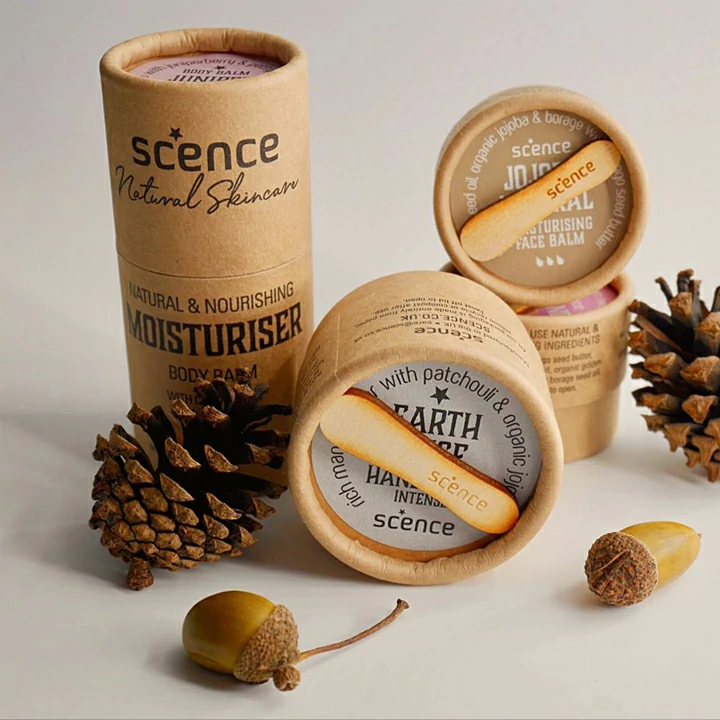
The global packaging industry is undergoing a fundamental transformation. Consumer demand for sustainable materials, tightening government regulations on single-use plastics, and the unrelenting pressure on brands to reduce their carbon footprint have converged to create one clear winner: paper tube packaging. From cosmetics and coffee to candles and supplements, cylindrical paper packaging — once a niche option — has become the fastest-growing format in sustainable packaging. But what exactly is paper tube packaging, how is it made, and why are major brands abandoning glass jars, plastic bottles, and metal tins in favor of kraft paper cylinders? This comprehensive guide answers every question, drawing on manufacturing insights from EarthyCores, one of the world's leading paper tube packaging manufacturers.
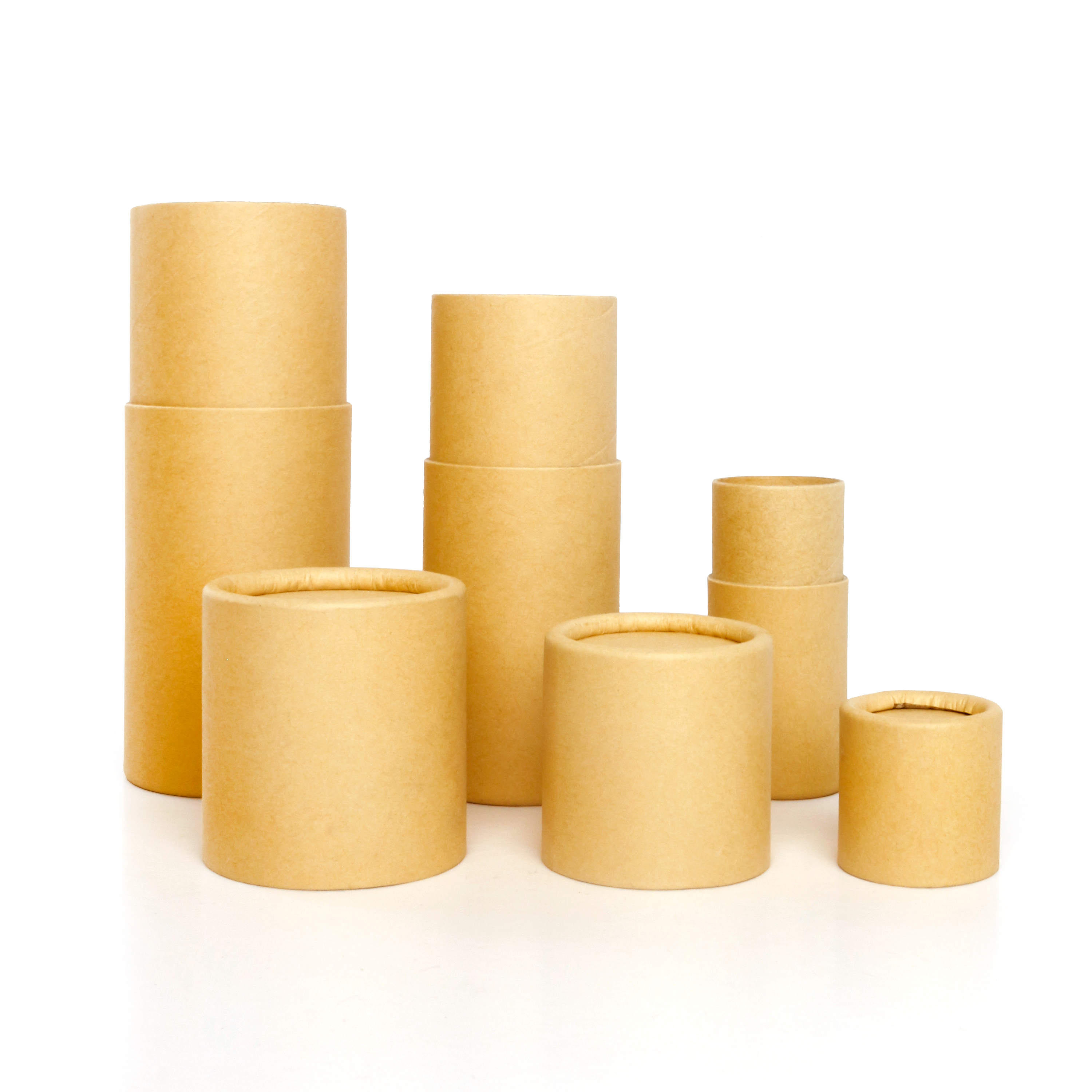
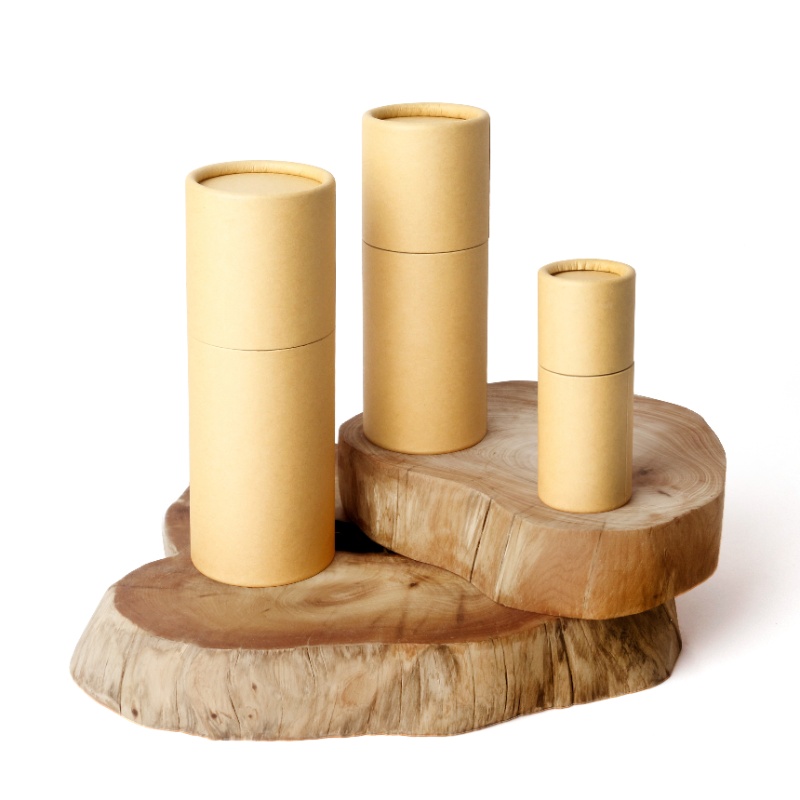
Custom kraft paper tube packaging — sustainable, durable, and fully customizable.
What Is Paper Tube Packaging?
Paper tube packaging — also known as cardboard canisters, paper canisters, or cylindrical paper packaging — is a rigid packaging format made from spirally wound or convolutely wound layers of kraft paperboard, bonded with adhesive, and formed into a cylindrical shape with a removable closure system (lid, cap, or plug).
At its core, a paper tube consists of:
- Body (Tube Wall): Multiple plies (layers) of kraft paperboard wound around a mandrel, typically 2–7 plies depending on required wall thickness and crush strength. The inner and outer layers can be different paper grades — a smooth white liner for printing on the outside, and a barrier-coated layer on the inside.
- Closure System: The way the tube seals. Options include push-fit paperboard plugs, metal-end caps, screw-on lids, or slide-on telescopic closures. For specialty applications like child resistant paper tubes, push-and-turn mechanisms are used.
- Barrier Layer (Optional): An inner coating that protects the contents from moisture, grease, oxygen, or aroma migration. Common barriers include PE liners (non-biodegradable), aqueous dispersion coatings (water-based), or PLA bioliners (compostable).
- Exterior Decoration: Direct flexographic or offset printing on the outer paper ply, or applied labels. Premium finishes include hot foil stamping, embossed logos, UV spot printing, and matt lamination.
The manufacturing process — spiral winding around a precision mandrel — gives paper tubes exceptional dimensional accuracy (typically ±0.3mm on diameter) while allowing for wall thicknesses from 0.8mm to over 5mm. This makes them suitable for everything from lightweight lip balm packaging (10mm diameter) to heavy-duty wine bottle tubes (100mm+ diameter).
.png?imageMogr2/format/webp)
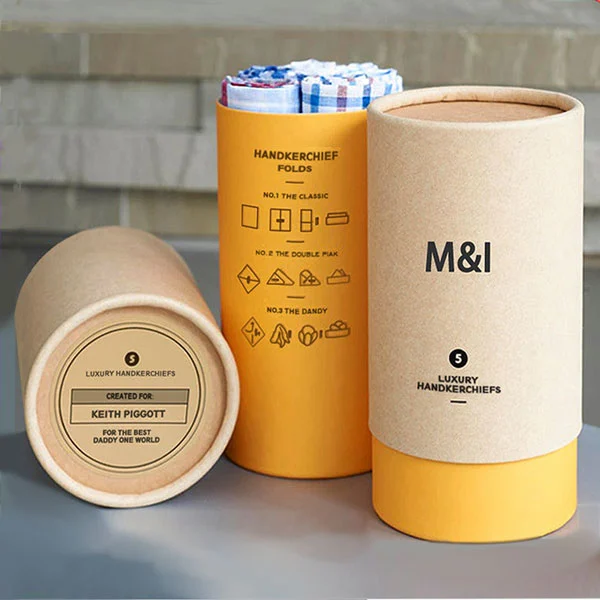
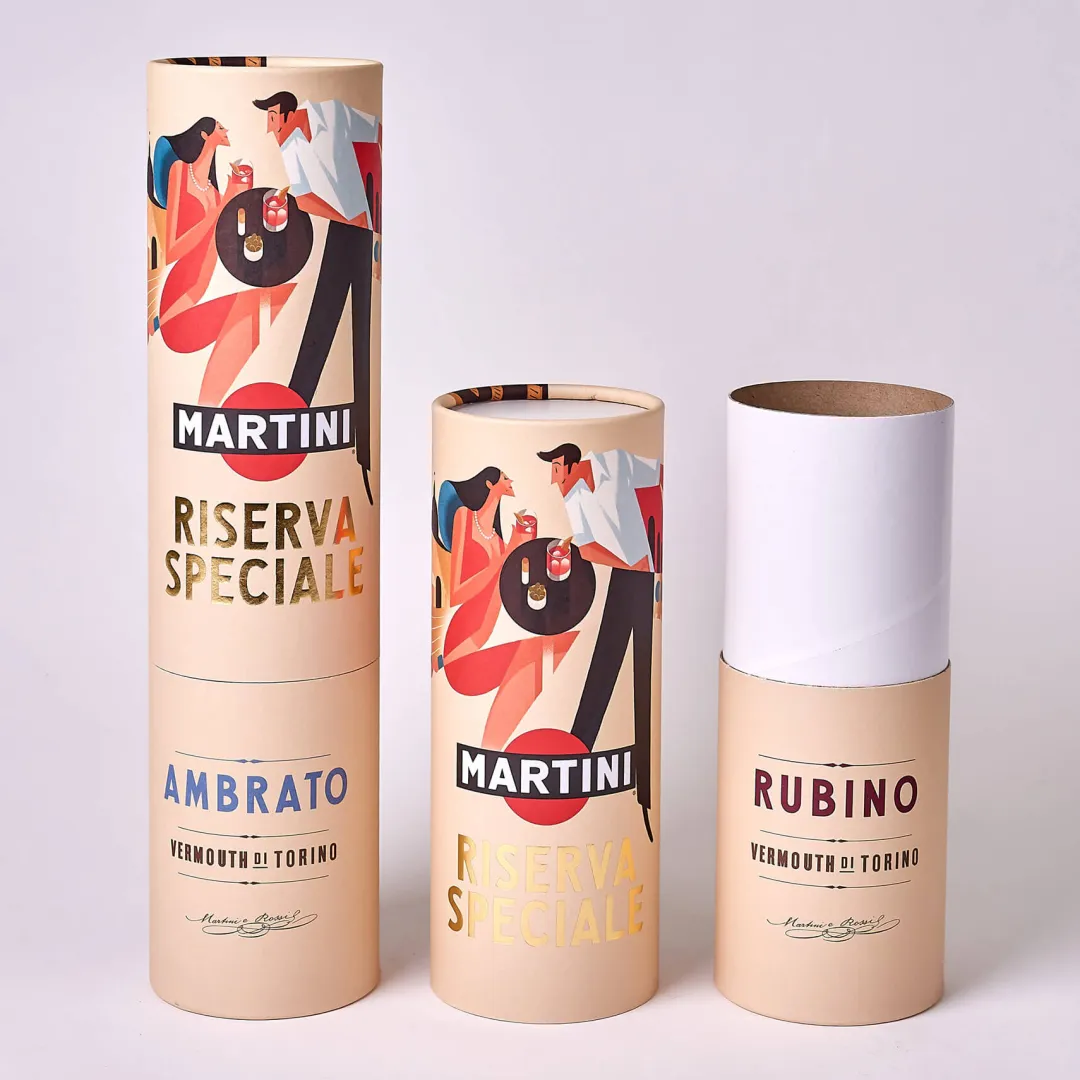
Three main paper tube formats: 1-piece, 2-piece telescopic, and 3-piece butt-joint tubes. Image: EarthyCores
The Three Main Types of Paper Tube Packaging
Not all paper tubes are created equal. The three primary formats serve different product types and user experiences:
1. Single-Piece Tubes (1-Piece)
A single cylindrical body with a removable end cap. The simplest design — ideal for candles, bath products, and dry goods that don't need a sealed closure. One cap gives single-point access with a straightforward assembly process.
2. Telescopic Tubes (2-Piece)
Two tubes that slide together — the inner tube holds the product, the outer tube serves as a sleeve. Creates a premium unboxing experience when you pull the inner tube out. The preferred format for lip balms, perfumes, and luxury cosmetics.
3. Butt-Joint Tubes (3-Piece)
A central body with identical end caps on both ends — the most secure closure format. Commonly used for vitamins, supplements, chocolate, and coffee where the product needs full enclosure and tamper evidence.
| Format | Best For | Closure Count | User Experience |
|---|---|---|---|
| 1-Piece | Candles, bath tablets, dry snacks | 1 cap | Quick access, simple |
| 2-Piece Telescopic | Lip balm, perfume, cosmetics | 2 caps (1 inner, 1 outer) | Premium reveal, tactile |
| 3-Piece Butt-Joint | Vitamins, coffee, chocolate | 2 caps (both ends) | Secure, tamper-evident |
The shift from plastic to paper: kraft tubes vs. plastic containers.
Why Is Paper Tube Packaging Replacing Traditional Solutions?
The shift away from plastic, glass, and metal packaging is not driven by a single factor — it's the result of five converging forces that make paper tubes the rational choice for an increasing number of product categories:
1. Regulatory Pressure Eliminating Single-Use Plastics
The EU Single-Use Plastics Directive (SUPD), Canada's ban on single-use plastics, and over 120 national plastic bag/packaging bans are forcing brands to find alternatives. Paper tubes — made from FSC-certified kraft paperboard with compostable coatings — meet all current and proposed regulations globally. Unlike bioplastics, which require industrial composting infrastructure that doesn't exist at scale, paper tubes are recyclable in existing municipal streams. Read our analysis of global regulatory trends.
2. Consumer Preference Has Shifted Decisively
A 2024 McKinsey consumer survey found that 66% of global consumers consider "sustainable packaging" when choosing between brands — up from 49% in 2020. In the beauty industry specifically, 73% of Gen Z and Millennial buyers say they would pay 5–10% more for products in paper-based packaging. Paper tubes resonate because consumers intuitively understand paper as natural — no complex recycling instructions needed, no confusion about whether something is "really" recyclable.
3. Premium Shelf Perception Without the Drawbacks of Glass
Glass jars and bottles convey quality, but they are heavy (increasing freight costs) and have a massive carbon footprint from production (glass melts at 1,500°C). Paper tubes offer the same premium tactile experience — the weight, the texture, the soft sound of a cap sliding off — while using a renewable, lower-impact material. Brands like artisan candle makers report that switching from glass jars to paper tubes with foil-stamped branding actually increased perceived product value in consumer testing.
4. Supply Chain Simplification
Paper tubes collapse the packaging supply chain. A single manufacturer produces the body, inner liner, and printing in one pass — no separate label printer, no bottle manufacturer, no cap injection molder. This reduces lead times, simplifies logistics, and eliminates coordination risk. Combined lead time: 25–30 working days from proof approval to FOB shipment vs. 8–12 weeks for a multi-supplier glass + label + cap assembly.
5. Barrier Technology Has Caught Up
Historically, the reason plastic and glass dominated food/cosmetic packaging was barrier performance — paper couldn't keep moisture out or aromas in. That has changed. Aqueous dispersion coatings now provide 30–60 minutes of water resistance, PLA bioliners offer 12-month shelf life for dry goods, and aluminum-metallized paper layers deliver oxygen barriers comparable to multi-layer plastic films — while remaining fully recyclable in the paper stream.
Paper Tube vs. Traditional Packaging: A Side-by-Side Comparison
| Metric | Paper Tube | Plastic (HDPE/PET) | Glass | Metal (Tin/Alu) |
|---|---|---|---|---|
| Weight (per unit) | 15–80g | 12–45g | 150–500g | 35–120g |
| Carbon Footprint | 0.5–1.2 kg CO₂/kg | 2.5–3.5 kg CO₂/kg | 1.2–2.0 kg CO₂/kg | 3.0–8.0 kg CO₂/kg |
| Recyclability | Widely recyclable (paper stream) | Limited (9% globally recycled) | Fully recyclable (energy-intensive) | Fully recyclable (high energy) |
| Biodegradability | 90–180 days (uncoated) / 1–3 years (coated) | 20–500 years | 1 million years (essentially inert) | 50–200 years |
| Customization | Full-color direct print, foil stamp, emboss, UV spot | Label or sleeve only | Screen print or label | Offset print or label |
| Shipping Damage Rate | 1–3% | 1–2% | 3–8% | 2–5% (denting) |
| Consumer Perception | Eco-friendly, premium, artisanal | Cheap, polluting, disposable | Premium but heavy/breakable | Durable but industrial |
Which Industries Are Adopting Paper Tube Packaging?
Paper tube packaging has moved far beyond its origins in industrial winding cores and poster tubes. Today, it's the primary or growing packaging format across at least seven major industries:
Cosmetics & Skincare
Lip balms, creams, serums, face powders. Paper tubes are replacing plastic compacts and jars across the beauty industry. The telescopic format is particularly popular for lip products.
Coffee & Tea
Specialty coffee roasters are leading the shift. Paper tubes with one-way degassing valves keep beans fresh while presenting a more premium, sustainable image than foil-lined plastic bags.
Vitamins & Supplements
The #1 growth sector for paper tubes. Child-resistant closures combined with moisture barriers make paper tubes a direct replacement for amber plastic pill bottles.
Chocolate & Candy
Gift-format chocolate and premium candy in paper tubes consistently outperform traditional boxes or bags in gift markets. The cylindrical format creates a natural gift presentation.
Perfume & Fragrance
Niche perfume brands use paper tubes as outer packaging for glass vials — combining the premium feel of luxury packaging with sustainable credentials that appeal to modern fragrance buyers.
Candles & Home Fragrance
The candle industry has almost fully shifted to paper tubes for travel/event candles, refill systems, and premium gift sets. No moisture barrier needed — the simplest format with the fewest material requirements.
Other growing categories include beverage and wine tubes, bath product packaging, pet supplements, protein powders, and promotional merchandise — essentially any product that needs rigid, stackable, branded packaging with environmental credentials.
Customization: How Paper Tubes Become Your Brand's Signature
One of the strongest arguments for paper tube packaging is the depth of customization available — far exceeding what's possible with labels on plastic or glass:
| Customization Option | Description | Lead Time Add |
|---|---|---|
| Flexographic Printing | Up to 8-color direct print on the outer paper ply | +0 days |
| Hot Foil Stamping | Metallic gold/silver/copper foil applied under heat and pressure | +3–5 days |
| Embossed / Debossed Logo | Raised or recessed logo/text pressed into the paper surface | +3–5 days |
| UV Spot Printing | High-gloss UV coating applied to specific areas for contrast | +2–4 days |
| Matt / Gloss Lamination | Full-surface film lamination for texture and durability | +3–5 days |
| Barrier Coating | Aqueous, PLA bio-liner, or PE liner for moisture/grease protection | +0–3 days |
| Custom Dimensions | Any diameter (10–200mm) and any length (20–500mm) | +0 days |
Browse the full EarthyCores product catalogue to see real examples of these customization options on finished paper tubes for different industries.
The Environmental Impact: By the Numbers
When brands switch from traditional packaging to paper tubes, the environmental metrics tell a compelling story:
lower carbon footprint vs. equivalent plastic packaging (per unit, cradle-to-gate)
lighter than glass jars of the same volume — directly reducing freight emissions
global paper recycling rate (2024) vs. 9% for plastics — paper tubes enter an existing stream
days to full biodegradation for uncoated kraft tubes in home compost
These numbers assume FSC-certified paperboard, starch-based or casein-based adhesives, and soy-based inks — all standard at EarthyCores. See our certifications page for full material traceability documentation.
How to Switch to Paper Tube Packaging: A Practical Roadmap
If you're considering the switch, here's a proven four-stage process that minimizes risk and keeps your product launch on schedule:
Stage 1: Material Audit (Week 1–2)
Answer three questions: (a) What's the shelf life requirement? (b) Does the product need moisture/grease/oxygen barrier? (c) Is the product in direct contact with the paper, or is it in an inner container? These answers determine your barrier coating and adhesive choices. Dry products like candles and bath tablets need no coating. Moisture-sensitive items like coffee and supplements need aqueous or PLA barriers.
Stage 2: Sample & Test (Week 3–5)
Order 10–20 blank samples in your target dimensions — test fit, closure friction, and structural integrity with your actual product. At this stage, don't invest in printed proofs. Use the blanks to validate the physical design. Once confirmed, order 5–10 printed samples with your artwork for color verification and consumer testing. EarthyCores ships free blank samples within 7 business days — request yours here.
Stage 3: Production (Week 6–10)
Standard lead time is 25–30 working days from sample approval. This includes plate making, material procurement, production, and pre-shipment inspection. For the first order, budget 6–8 weeks door-to-door including ocean freight (3–5 weeks depending on destination).
Stage 4: Launch & Iterate (Week 10+)
Launch with 3–6 months of stock. Monitor customer feedback on the unboxing experience, closure security, and shelf presence. Iterate on artwork or barrier specs for the second order batch. Most brands lock in their final design by production run #3.
Ready to Switch to Paper Tube Packaging?
Tell us about your product and we'll send free blank samples, a custom quote, and a material compatibility recommendation — all within one business day.
Related Products & Resources
- Single Piece Paper Tubes (1-Piece)
- Telescopic Paper Tubes (2-Piece)
- Butt-Joint Paper Tubes (3-Piece)
- Child Resistant Paper Tubes
- Sustainability Commitment
- Certifications & Compliance
- Why Paper Tubes Are Replacing Plastic in Global Supply Chains
- Innovations in Barrier Technology for Food-Grade Paper Tubes