
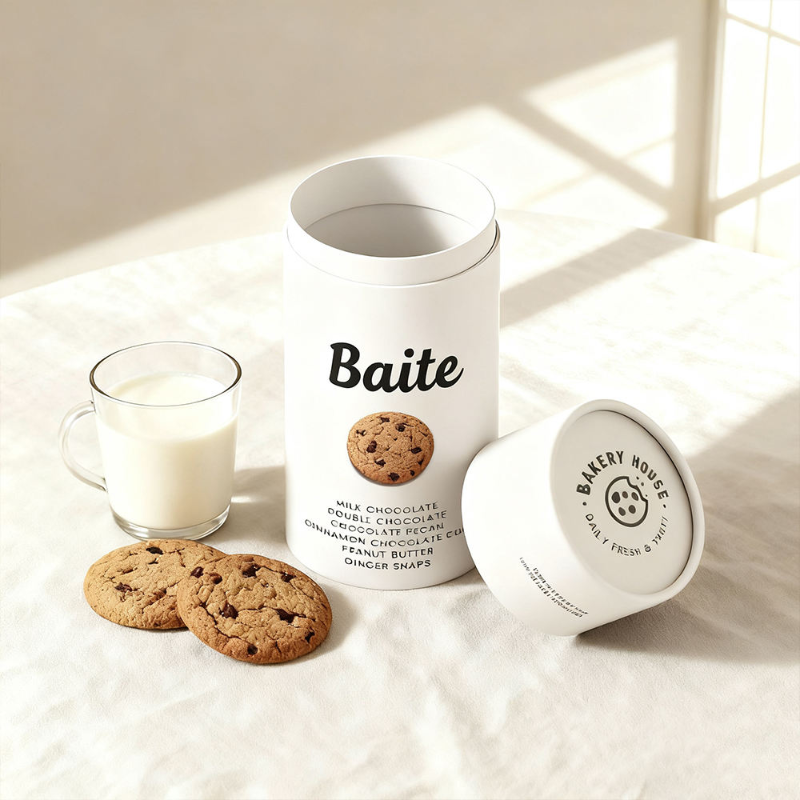
A product can be excellent, but on a crowded retail shelf it has only seconds to earn attention. For brands considering paper tube packaging, the question is not just whether the format fits the product, but how to design it so it works visually, structurally, and commercially at the same time. Effective custom paper tube design balances visual impact, brand identity, product protection, functionality, and manufacturing feasibility. A tube that looks striking but cannot be produced reliably, or protects well but reads as generic, fails on both ends. This guide walks through the design decisions that matter, from tube size and structure to printing, finishing, and getting a manufacturable design approved.
What Makes Custom Paper Tube Packaging Stand Out?
Standout paper tube packaging usually combines several elements that reinforce each other: a distinctive structure, a strong brand identity, a clear visual hierarchy, well-chosen colors, high-quality printing, tactile finishing, and design details specific to the product inside. None of these works alone. A bold color scheme loses impact if the printing is inconsistent, and a premium finish cannot compensate for cluttered information.
The goal is communication speed. Customers should grasp what the product is, what brand it belongs to, and why it matters within a few seconds, without feeling overwhelmed. When every design element earns its place, the tube reads clearly at shelf distance and still rewards a closer look.
Start With the Product Before Designing the Packaging
In B2B packaging projects, design should begin with the product, not the artwork. Brands that start with a decorative concept and fit the product to it later often end up with expensive rework. A practical starting point is to document the product profile first:
- Product dimensions, volume, and weight
- Fragility and required protection during transport
- How the product will be displayed and handled in retail
- How it will be packed, palletized, and shipped
Dimensions and structural requirements should be confirmed before artwork is finalized. A beautifully printed label cannot fix a tube that is too tight for the product or too weak for the distribution channel. Defining the product profile early also gives the manufacturer the information needed to recommend realistic diameter, height, and wall thickness options. When protection is a primary concern, our guide to custom paper tubes for product protection covers structural considerations in more depth.
Choose the Right Paper Tube Size and Structure
The tube's size and structure determine how the product fits, how the package handles in transit, and how it appears on the shelf. These decisions should be made together with the manufacturer rather than left to chance.
Tube Diameter
Diameter should correspond to the product's dimensions plus the internal space needed for easy insertion and removal. A tube that is too narrow damages the product during filling; one that is too wide wastes material and can feel empty when handled. Diameter also affects shelf footprint and how many units fit per carton, so it has cost implications beyond appearance.
Tube Height
Height controls product fit and visual proportion. A tall narrow tube reads as elegant and gift-like; a shorter, wider tube reads as practical and sturdy. The right proportion depends on the product category and the brand's positioning. Height also influences how the tube stands in retail displays and how much printable surface is available for branding.
Wall Thickness
Wall thickness affects structural performance, product protection, and overall appearance. Heavier products and longer shipping routes generally call for stronger walls, while lightweight products may allow thinner, more economical construction. The manufacturer can advise on wall thickness based on the product weight and the distribution environment.
Closure Options
Closures range from paperboard lids and metal ends to custom solutions such as threaded caps or friction-fit covers. The right choice depends on how often the product is opened, whether it needs resealing, and the unboxing experience the brand wants to create. No single closure is best for every product, so it is worth reviewing options with the manufacturer against the product's actual use.
Use Color to Strengthen Brand Recognition
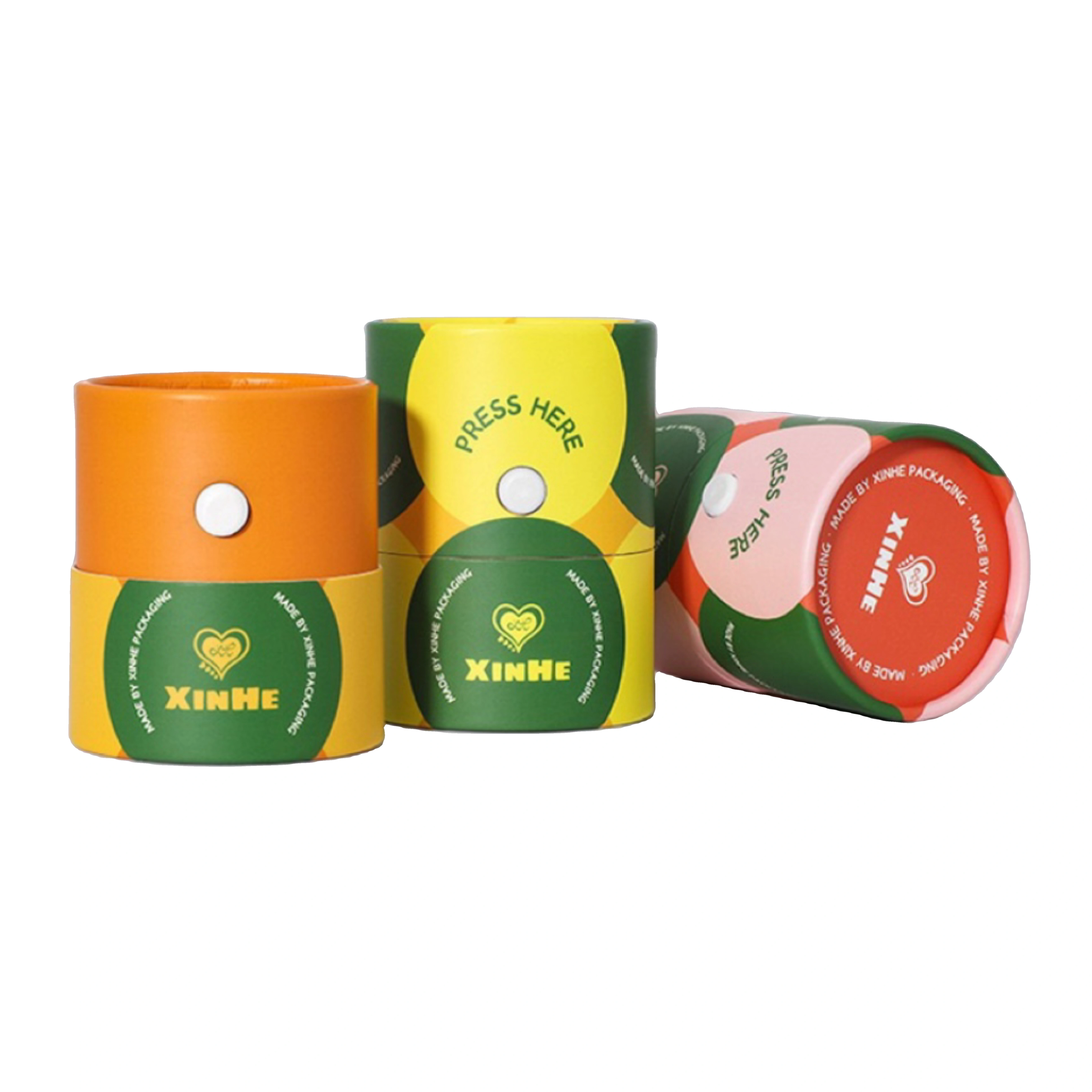
Color is one of the fastest ways customers recognize a brand on the shelf, and paper tubes provide a continuous wrap-around surface that shows color consistently from every angle. Work with your brand's existing palette rather than inventing new colors for the package, so the tube reinforces recognition across all touchpoints.
Pay attention to contrast, not just hue. Product names and information must remain readable against the tube's background color. For brands with multiple SKUs, a consistent color system can distinguish individual products while keeping the collection visually unified, such as one base color with variation per flavor, scent, or format. Color accuracy should be confirmed with proofs, because screen colors rarely match printed results exactly.
Design the Printable Surface Around Your Brand Story
The cylindrical surface of a paper tube is a continuous branding canvas. It can carry the logo, product name, description, ingredients or materials, usage instructions, brand story, sustainability information, and certifications where applicable. The challenge is deciding what to include and what to leave off.
A clear visual hierarchy keeps the message effective: brand first, then product, then key information, then supporting details. The logo and product name should dominate, with regulatory or usage information placed where it can be read without competing for attention. Text should be sized for actual reading conditions, including small print on smaller-diameter tubes where the curved surface reduces effective line length.
Choose the Right Printing Method
Offset printing delivers detailed graphics and consistent color reproduction, which makes it a strong option for large production runs where print quality matters most. Digital printing suits shorter runs, variable designs, prototyping, and smaller quantities, allowing brands to test packaging or launch limited editions without committing to high setup costs.
Neither method is universally better. The right choice depends on order quantity, artwork complexity, color requirements, budget, and production specifications. Discussing quantities and artwork early with the manufacturer helps match the printing method to the project rather than forcing the project into a preferred process. If cost planning is part of the decision, our custom paper tube pricing guide can help set realistic expectations before production.
Add Finishing Details Without Overcomplicating the Design
Finishing techniques add tactile and visual interest, and each one has a specific purpose. Foil stamping creates metallic accents for logos or selected design elements, drawing the eye to the brand mark. Embossing adds physical texture and depth, making certain areas of the design tangible. Debossing presses elements inward for a subtle, recessed effect. Matte finish creates a softer, understated appearance, while gloss finish adds sheen and makes colors appear more saturated. Special coatings can protect printed surfaces or add a specific hand feel.
Premium packaging does not require every available technique. A well-selected combination, such as matte base with a single foiled logo, is often more effective than layering every effect. Brands exploring richer presentation can look at how finishing choices shape the unboxing experience in our article on luxury paper tube packaging, but restraint usually produces a more coherent result.

Design Paper Tubes for Different Product Categories
Design decisions change with the product category. The same tube can serve very different brands when structure, artwork, and finishing are tuned to the category's expectations.
Tea and Coffee
For tea and coffee, product information such as origin, roast level, or brew notes matters, and premium presentation supports higher price points. A clear information hierarchy and a consistent design system help differentiate collections across multiple blends.
Cosmetics and Beauty
Beauty packaging relies on a clean visual hierarchy and strong brand identity. Premium finishes such as foil or soft-touch coatings are common, and the design should communicate product type at a glance while keeping the brand recognizable.
Candles and Home Fragrance
Candles and home fragrance products are often bought as gifts, so gift presentation, lifestyle imagery, and seasonal designs carry more weight. The tube often doubles as a keepsake container, which influences both structure and decoration choices.
Supplements and Wellness Products
Supplements need clear product information, ingredient details, and a professional presentation that supports consumer trust. Clear differentiation between formulations helps customers find the right product quickly, both on the shelf and on reorder.
Avoid These Common Custom Paper Tube Design Mistakes
- Too much information: overcrowded packaging reduces visual clarity and makes the product harder to identify quickly.
- Poor color contrast: text must remain readable against the background, especially for small regulatory copy.
- Ignoring product dimensions: artwork and structure must be developed together so the design matches the actual tube size.
- Overusing finishing effects: too many effects can make packaging look inconsistent rather than refined.
- Designing without manufacturing input: a visually attractive design may not be practical or cost-effective to produce.
- Ignoring the unboxing experience: packaging should consider how the customer opens, handles, and stores the product, not just how it looks closed.
How to Make a Custom Paper Tube Design Production-Ready
Moving from concept to manufacturing is a defined process. Following it in order reduces revisions and production problems:
| Stage | Action |
|---|---|
| 1. Define requirements | Document product dimensions, weight, fragility, and display requirements. |
| 2. Confirm tube dimensions | Agree on diameter, height, and wall thickness with the manufacturer. |
| 3. Select materials | Choose paperboard grades and liner materials suited to the product. |
| 4. Develop structural design | Finalize structure, closures, and any internal components. |
| 5. Prepare artwork | Build print-ready files with correct dimensions and bleed for the tube surface. |
| 6. Select printing and finishing | Match printing method and finishing techniques to quantity and budget. |
| 7. Create a sample | Produce a prototype or sample to check fit, print, and finish. |
| 8. Review and adjust | Evaluate the sample and refine design or structure as needed. |
| 9. Approve specifications | Sign off final artwork, dimensions, and materials. |
| 10. Begin production | Start the production run against approved specifications. |
Early communication with the manufacturer can reduce design revisions and production problems. Discussing structure and materials before committing to artwork prevents expensive changes later in the process.
How to Choose a Custom Paper Tube Manufacturer for Your Design
The manufacturer you work with determines whether your design becomes a smooth production run or a series of compromises. Evaluate suppliers on structural customization capability, printing capabilities, finishing options, sample development, material recommendations, quality control, and production consistency. A partner that can advise on wall thickness, closure behavior, and print limitations is more valuable than one that only takes orders. For a deeper comparison of selection criteria, review our guide on how to choose a reliable custom paper tube manufacturer for your brand.
Custom Paper Tube Design Checklist
Before production, confirm each of the following with your team and the manufacturer:
- Product dimensions, volume, and weight documented
- Tube diameter and height confirmed
- Wall thickness agreed with the manufacturer
- Closure type selected and tested
- Material and paperboard grade finalized
- Artwork prepared with correct dimensions and bleed
- Brand colors approved against printed proofs
- Printing method matched to quantity and budget
- Finishing options selected and combined with restraint
- Product information complete and correctly placed
- Sample approved before full production
- Production quantity confirmed with realistic lead time
FAQ: Custom Paper Tube Design Questions
How do I design custom paper tube packaging?
Start with the product profile, then confirm tube dimensions, structure, and closure with a manufacturer. Develop artwork around a clear hierarchy of brand, product, key information, and supporting details, and validate with a sample before production.
What information should be printed on a paper tube?
Logo and product name first, then product description, ingredients or materials, usage instructions, and certifications or regulatory details as required. Supporting content such as brand story or sustainability information can be added where space and hierarchy allow.
Can paper tube packaging be customized in different sizes?
Yes. Paper tubes can be produced in custom diameters, heights, and wall thicknesses to fit the product, and closures can be selected to match how the package will be opened and used.
What printing options are available for custom paper tubes?
Offset printing suits detailed graphics and large runs, while digital printing works well for shorter runs, variable designs, and prototyping. The right method depends on quantity, artwork complexity, color requirements, and budget.
How can I make paper tube packaging look more premium?
Combine a well-chosen matte or gloss finish with selective finishing such as foil stamping or embossing on key elements. A restrained combination of effects is usually more effective than applying every available technique.
Should I create the artwork before contacting a paper tube manufacturer?
Confirm dimensions and structural options with the manufacturer before finalizing artwork. Print-ready files need the correct tube dimensions and bleed, and early input on structure and materials prevents costly revisions later.
Conclusion
Effective custom paper tube design balances brand identity, product requirements, visual appeal, functionality, and manufacturing feasibility. Well-designed packaging does not guarantee higher sales on its own, but it helps brands create stronger shelf presence and a more consistent customer experience. The design process works best when brands and manufacturers collaborate from the start, treating structure, artwork, and finishing as one connected decision rather than separate steps. For a wider look at how paper tube packaging can support your product line, explore our custom paper tube packaging solutions for modern consumer brands.
Have a Paper Tube Packaging Concept in Mind?
Contact EcoPaperTubes to discuss your product requirements, structural design, printing, and finishing options with our packaging team.