
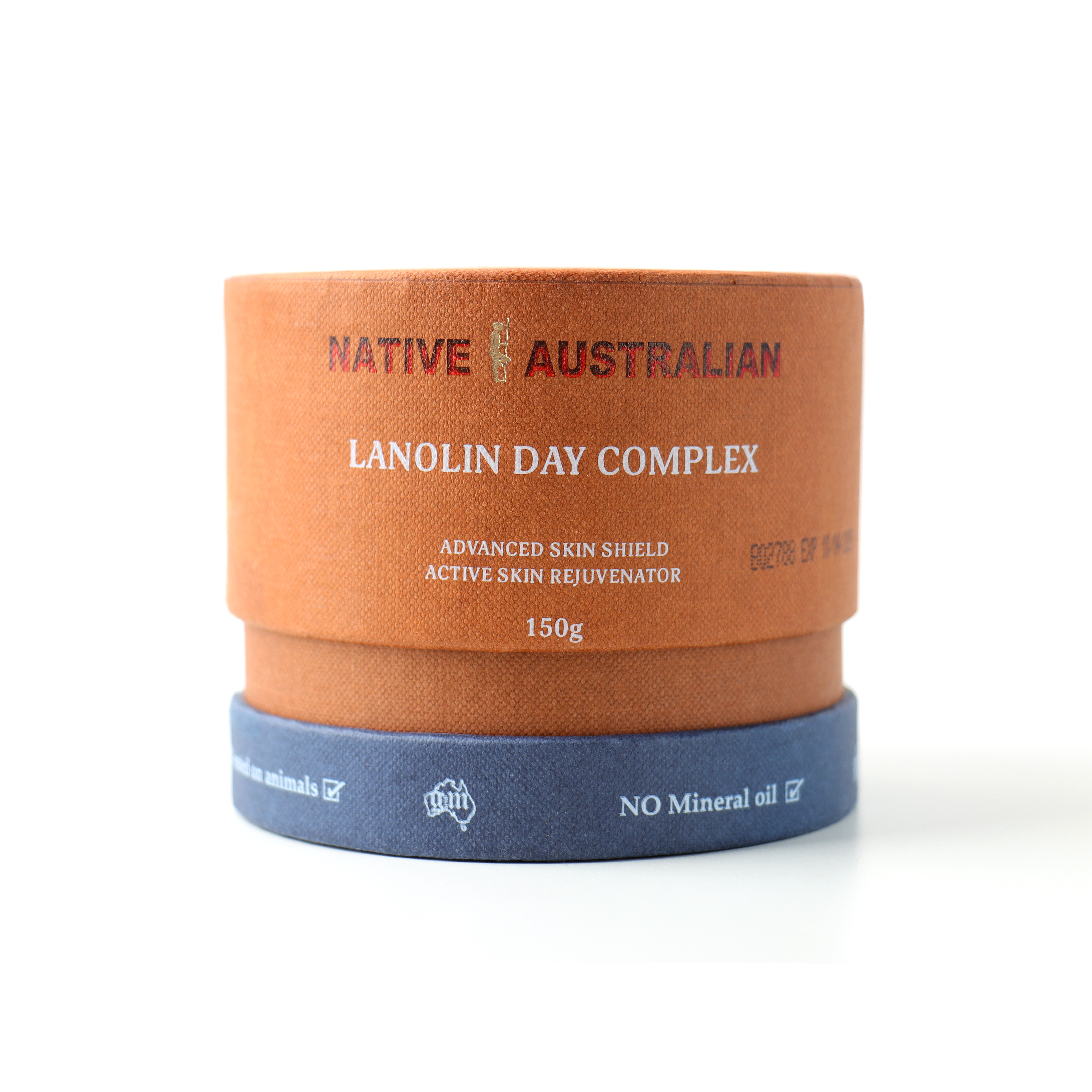
The tube body is what a brand designs. The closure is what a customer actually touches. It is opened, closed, reopened, and judged — often in the first few seconds of ownership — and it is the only moving part on the entire package.
It is also where most late-stage problems appear: a lid that loosens in transit, a friction fit that varies between production lots, a moisture barrier that never existed because the closure and the liner were chosen separately.
This guide covers the closure types available for custom paper tube packaging, what each one does well, how the tube structure limits the choice, and the decisions that need to be settled before tooling is committed.
A Closure Is Only One Part of the Delivery System
Before comparing closure types, it helps to separate the jobs a closure can do from the jobs it cannot. A closure can hold contents in place, control how the product is dispensed, restrict access, and show whether a package has been opened. It cannot, on its own, make a paper tube airtight.
Barrier performance comes from the combination of the tube's internal liner, any membrane seal, and the compression the closure applies to the tube rim. Treating those as one system is what separates a package that survives distribution from one that leaks, and it is the first thing worth confirming with a supplier. The useful question is not "which lid is best" but "what is this closure, liner, and seal combination expected to hold, and how was it tested."
The Main Closure Types for Paper Tubes
Most custom paper tube closures fall into a small number of families, and each carries its own tooling, minimum, and fit behaviour.
| Closure Type | How It Works | Watch-Outs |
|---|---|---|
| Paper overcap | Sleeves over the tube rim | Friction varies with humidity |
| Telescopic two-piece | Lid overlaps a longer base | Overlap depth drives stiffness |
| Metal or tin-plate cap | Rolled rim grips the tube wall | Mixed material affects recycling story |
| Membrane seal | Foil or paper seal lamination | Single-use; nothing reseals it |
| Shaker or sifter top | Perforated insert meters the dose | Hole size must match the powder |
| Child-resistant mechanism | Push-and-turn or squeeze-to-open | Must be validated on finished packs |

How the Tube Structure Narrows Your Options
Closure and structure are chosen together, because the way a tube is built determines how a lid can sit on it and how much grip the finished package will have.
| Structure | How the Closure Sits | Typical Use |
|---|---|---|
| Single-piece | Separate overcap sleeves the rim | Simple dry goods, gift sets |
| Telescopic two-piece | Lid wall overlaps the base | Products opened repeatedly |
| Butt-joint three-piece | Lid and base are separate parts | Heavier contents, taller packs |
A telescopic paper tube builds the closure into the structure: the lid is a tube in its own right, and the overlap depth controls stiffness and how securely it holds. A single-piece tube relies on a separate overcap or a membrane, so the rim diameter has to be held tightly for the lid to seat consistently. A butt-joint three-piece tube separates lid and base into distinct components, which allows a heavier wall and a more substantial cap at the cost of more parts to control.
If the closure is already decided, the structure follows from it. Deciding the structure first and hunting for a closure afterwards is the more expensive route, because it limits you to whatever fits the rim you have already committed to.
Match the Closure to How the Product Is Used
Closure selection becomes straightforward once the usage pattern is written down. The questions to answer are how often the package is opened, whether the contents need to be poured, scooped, or shaken out, and whether the product must survive an opened shelf life.
Powders, Granules and Dry Mixes
A shaker or sifter top controls dispensing and keeps the product in the tube. Hole size and count have to be matched to the actual particle size, ideally against a real sample rather than a specification sheet. Where a scoop is expected, the closure should leave enough rim for reopening without spilling.
Capsules, Tablets and Gummies
These products are opened repeatedly and are often subject to access requirements, which pushes the choice toward a child-resistant mechanism with a secondary tamper indicator. Count and fill level matter here too, because a half-empty tube rattles and reads as a quality problem.
Coffee, Tea and Loose Leaf
Aroma loss happens at the opening, so the priority is a membrane or foil liner under a closure that reseals firmly. A tin-plate lid gives a strong grip and an audible close; a paper overcap keeps the pack mono-material but depends on a well-controlled friction fit.
Cosmetics, Balms and Candles
Here the closure is felt more than it is tested. Tactile quality, a clean seam, and a lid that seats with light pressure carry most of the perceived quality. For candles, the closure is usually a dust cover rather than a seal, so presentation and reusability outrank barrier performance.

Tamper Evidence and Child Resistance Are Different Requirements
The two are frequently confused, and assuming one covers the other leads to rework at the tooling stage. Tamper evidence shows that a package has been opened before purchase. It is usually delivered by a shrink band, a sealed tab, a membrane, or a printed strip that breaks on first opening. Child resistance restricts how the package opens, requiring a deliberate sequence such as pushing and turning or squeezing the sides. 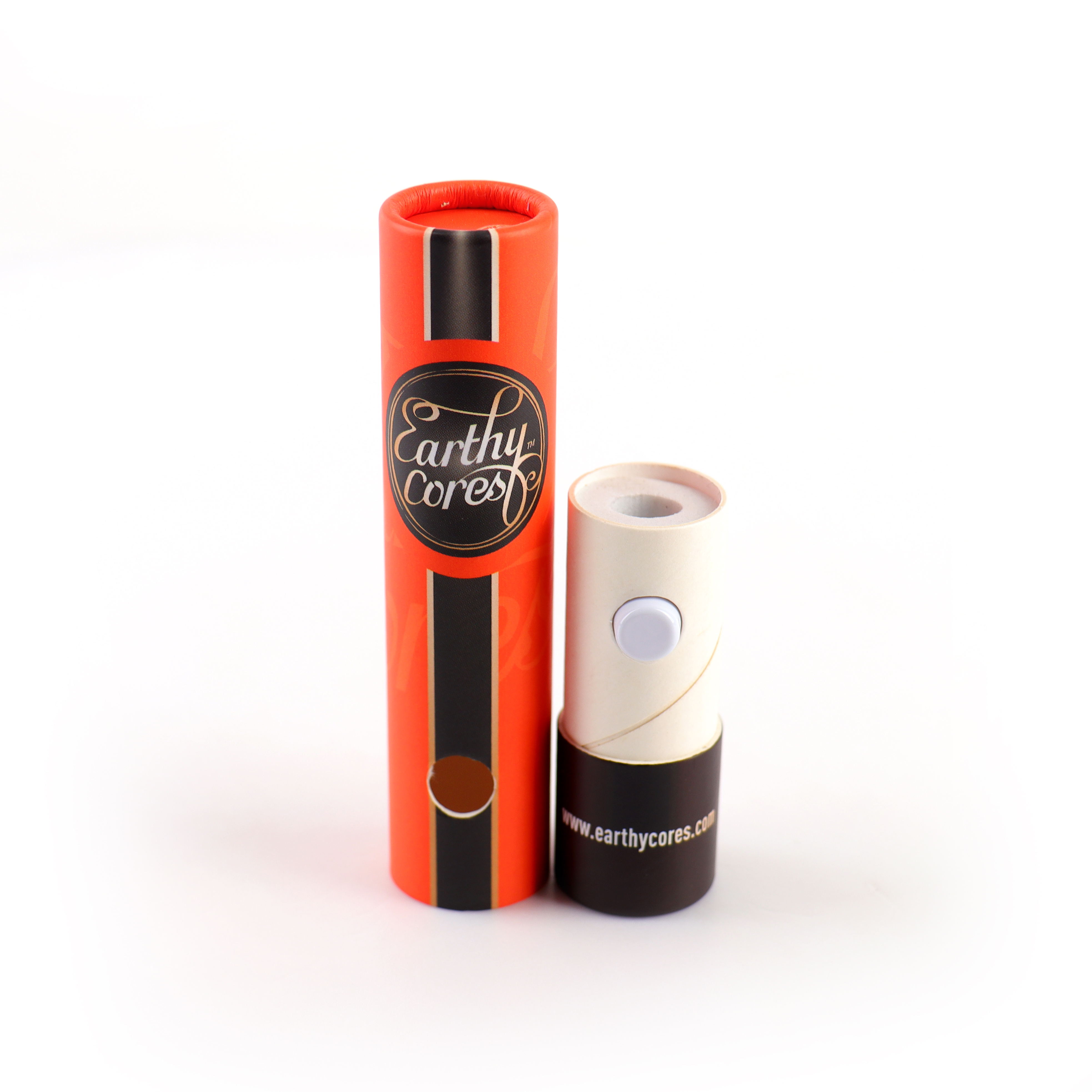
A child-resistant mechanism is not automatically tamper-evident, and a tamper band does nothing to restrict access. Where adult-use properties also matter, the mechanism should remain operable for users with reduced grip strength. Which products require child-resistant packaging in a given market is a decision for the brand and its regulatory advisors; a manufacturer's role is to provide a mechanism that can be tested against the applicable standard on the finished pack, not on a prototype component. See our child-resistant paper tubes for the mechanism options available.
Friction, Tolerance and the Fit Nobody Specifies
Friction fit is the most common source of closure complaints, largely because it is rarely written into a specification. Too tight and the customer damages the tube opening it. Too loose and the lid separates in transit. Inconsistent friction — some units smooth, others stiff — reads as a defect even when nothing is technically out of tolerance.
Friction changes with tube diameter, wall thickness, board grade, and moisture content, which means it can shift between production lots and between seasons. The practical answer is to define a friction range in writing and test it on the finished pack: open and close it repeatedly, leave it in a humid environment, drop it, and confirm the lid is still seated. A supplier who can describe their friction range is easier to work with than one who simply promises a good fit.
Choosing With the Packing Line in Mind
A closure that is pleasant to handle by hand may not be machineable. If the pack will eventually be capped automatically, closure geometry affects how parts feed, orient, and stack, and a change to a different closure type later usually means new tooling and new line settings.
Hand packing allows a wider choice, but it also makes consistency harder to hold across a large run, since friction depends on how firmly each lid is pressed. Deciding how the product will be filled and closed at the artwork stage avoids having to revisit the tube diameter and wall thickness later, which is a point covered in more detail in our guide to designing custom paper tube packaging.
Closures Drive Cost and Minimum Quantity
A closure that already exists in a supplier's range carries no tooling and a low minimum. A closure designed from scratch carries tooling, a fit-validation stage, and a higher minimum, because the testing effort is fixed regardless of order size. That difference usually outweighs the unit savings of a custom mechanism at launch volumes.
Where a custom closure is genuinely needed, the sensible sequence is to launch on a catalog option, prove the product in market, and tool the custom closure on the reorder. This also keeps the launch date under your control, since tooling and fit validation add their own timeline before the first production run. How tooling, setup, and unit cost interact is broken down in the custom paper tube pricing guide.
What a Closure Means for Recyclability
A paper tube with a metal cap, a plastic shaker insert, or a foil membrane is no longer a single-material package, and separability affects what can be claimed about it. A lid that a customer can remove by hand keeps the tube body in the paper stream; a closure bonded in place does not.
This is a design decision, not a marketing one. Where recyclability forms part of the brand's message, keep the closure easy to separate, prefer board from certified sources, and confirm what the material actually supports before making a claim. Material and certification details are listed on our certifications page. Comparable expectations in the beauty category are discussed in our article on cosmetic paper tube packaging.
Common Closure Mistakes
- Choosing the closure last. Diameter and wall thickness are set by the closure, so deciding it after the structure is fixed narrows the options.
- Specifying friction by feel. Without a written range, the first production lot becomes the standard and later lots are judged against it.
- Assuming a lid provides a barrier. Moisture and aroma protection come from the liner and membrane, not the cap.
- Treating tamper evidence as child resistance. They solve different problems and are tested differently.
- Designing a mechanism that adults struggle with. Access restrictions still have to be usable by the intended user.
- Testing the component instead of the pack. Fit and function must be confirmed on the finished tube with the real product inside.
- Making the pack single-use by accident. A membrane seal with no resealable lid is fine for one-shot products, but it removes the option of reopening.
Closure Selection Checklist
Work through these before approving tooling, and put the answers in writing with the supplier.
| Decision | Confirm With the Supplier |
|---|---|
| Closure type | Catalog option or new tooling |
| Friction range | A written value, not a feel |
| Barrier requirement | Liner and membrane combination |
| Access requirement | Mechanism validated on the pack |
| Tamper evidence | Separate element, not the fit |
| Packing method | Hand capped or automated |
| Separability | Lid removable by hand |
Frequently Asked Questions
What closure options are available for paper tubes?
Paper overcaps, telescopic lids, metal caps, foil or membrane seals, shaker and sifter tops, and child-resistant mechanisms. They can be combined in one package.
Can a paper tube closure make the package airtight?
Not by itself. Barrier performance comes from the liner and any membrane seal working with the closure. A cap alone only holds the contents in.
Which closure is best for powders?
A shaker or sifter top, sized to the actual particle. It controls the dose and keeps the product inside the tube between uses.
Does a child-resistant cap work as tamper evidence?
No. They are separate requirements. A tamper indicator is an additional element such as a band, tab, or seal that breaks on first opening.
Do custom closures require new tooling?
Usually yes, along with a fit-validation stage. Catalog closures avoid both, which is why most first runs start with one.
How is closure fit tested before production?
On the finished pack with the real product inside: repeated open and close, humidity conditioning, and a drop test to confirm the lid stays seated.
Deciding in the Right Order
The closure decides the diameter, the diameter decides the tube, and the tube decides the packing method. Working in that order keeps the options open; working in the reverse order usually ends with a compromise somewhere. It also makes the cost conversation easier, because each decision can be priced before the next one is locked in.
Start with how the product is used and how often it is opened, settle the access and tamper requirements, then choose the simplest closure that meets them. A well-chosen closure is rarely the most elaborate one available — it is the one that opens correctly every time and still looks considered in the customer's hand.
Not Sure Which Closure Fits Your Product?
Send us your product sample and describe how it will be used. Our team will recommend a closure type, confirm the liner and membrane combination behind it, test the fit on a finished pack, and quote any tooling separately.