
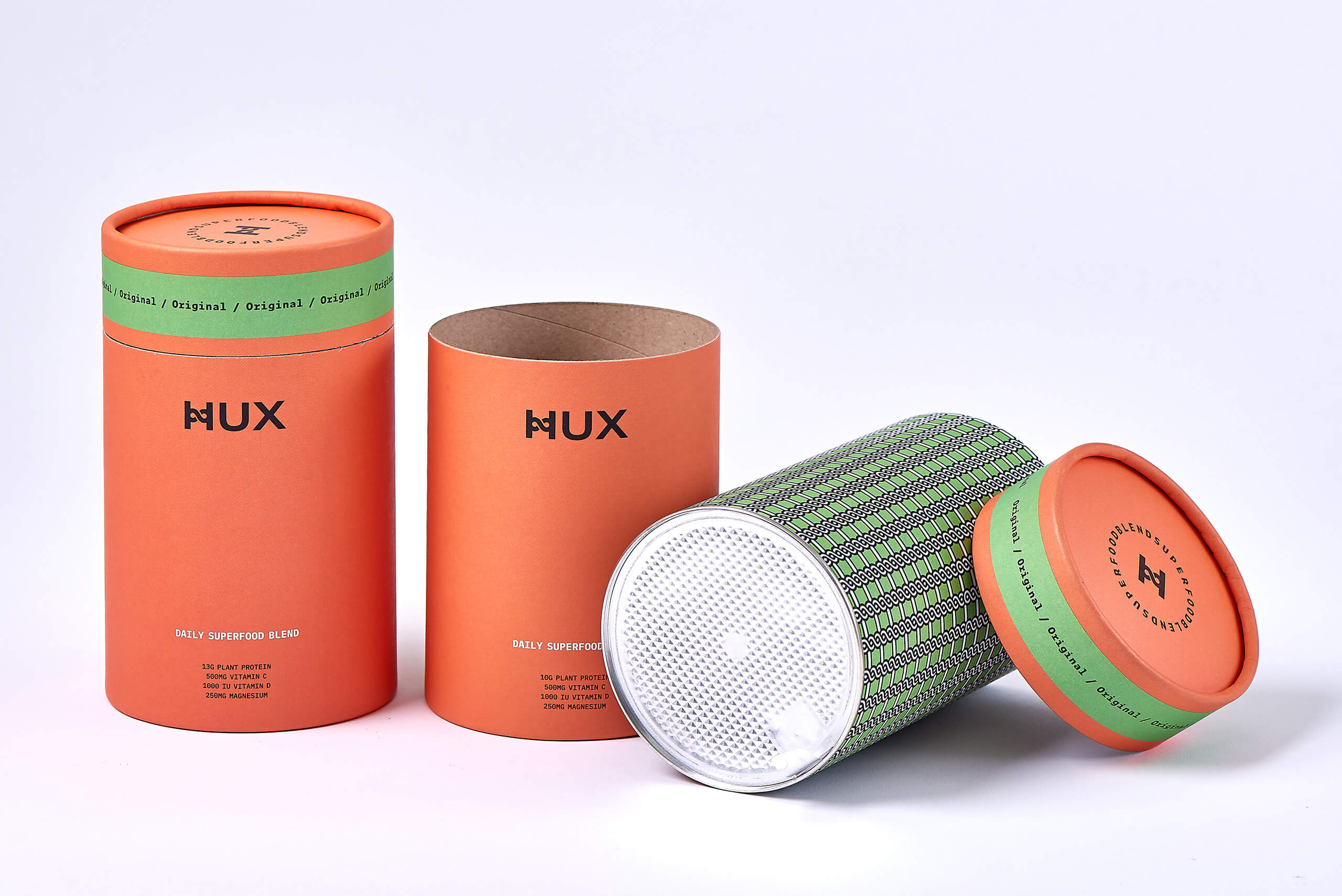
Many brands today want packaging that is sustainable, premium, and plastic-free — and custom paper tubes meet all three requirements. But finding the right manufacturer is not straightforward. Suppliers vary significantly in material quality, customization capability, printing precision, production consistency, lead times, minimum order quantities, and quality control processes.
Choosing the wrong manufacturer can lead to inconsistent packaging quality, product damage during shipping, weakened brand perception, and delayed market entry. This guide walks through the eight most important factors to evaluate when selecting a custom paper tube manufacturer — so your brand gets packaging that protects products, strengthens identity, and meets sustainability expectations.
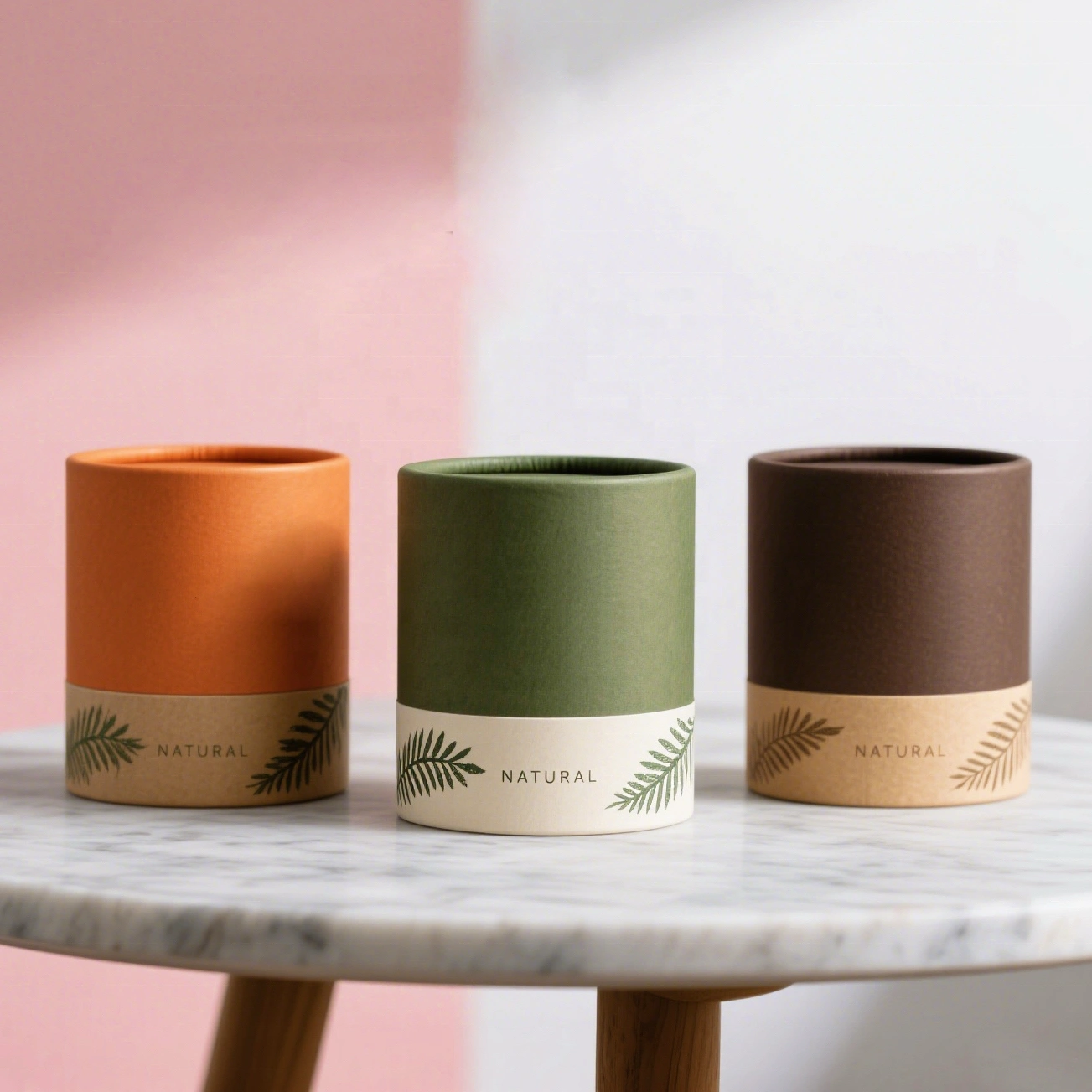
1. Evaluate the Manufacturer's Customization Capabilities
Customization is the core reason brands choose paper tube packaging over stock options. A reliable manufacturer should offer comprehensive customization across structure, size, and visual design.
Custom Sizes and Structures
Different products require different packaging dimensions and configurations. A capable manufacturer provides:
| Customization Option | What It Means for Your Brand |
|---|---|
| Custom diameters | Fit products precisely — from slim lip balm tubes to wide supplement containers |
| Custom heights | Match product volume whether it is a single tea serving or a 500g coffee supply |
| Custom tube shapes | Round, square, and oval formats for shelf differentiation |
| Custom closures | Push-up bottoms, metal ends, plug lids, or child-resistant caps depending on product needs |
Each product category has specific structural requirements. Tea brands need resealable closures that preserve freshness. Coffee roasters need one-way valve integration to prevent gas buildup. Cosmetics brands need easy-open lids for daily use. Supplement companies need child-resistant closures for regulatory compliance. A manufacturer that understands these differences can recommend the right structure from the start — rather than applying a generic solution.
Custom Printing and Finishing Options
Packaging is both a product protector and a brand communication tool. A manufacturer's printing and finishing capabilities directly affect shelf presence and consumer perception:
Printing methods:
- Offset printing — high-resolution, cost-effective for medium to large production runs
- Flexographic printing — efficient for high-volume production with consistent color output
- Digital printing — ideal for short runs, prototyping, and variable data printing
Finishing options:
- Matte lamination — sophisticated, understated appearance favored by premium brands
- Glossy lamination — vibrant, eye-catching finish for retail shelf impact
- Embossing — tactile texture that adds perceived value and brand recognition
- Hot foil stamping — metallic accents for luxury positioning
- UV spot coating — selective highlight effects that draw attention to key design elements
When evaluating a manufacturer, ask whether they can combine multiple finishing techniques on a single tube — this indicates advanced production capability and willingness to accommodate complex design requirements.
2. Check the Quality of Materials Used
Material quality determines whether your packaging protects products effectively, looks professional on shelves, and aligns with sustainability claims. A reliable manufacturer should provide clear, verifiable information about:
| Material Aspect | What to Verify |
|---|---|
| Paperboard quality | Source, thickness range, burst strength, and ring crush test results |
| Thickness options | Multiple wall thickness grades for different protection levels |
| Inner liner materials | Food-safe liners, aluminum foil barriers, or PLA compostable alternatives |
| Adhesive safety | Non-toxic, food-contact compliant adhesives where required |
| Food-grade compliance | FDA, EU, or LFGB certifications for food-contact packaging |
Material choices also vary by industry. Food and beverage brands need food-grade materials with moisture barriers and grease resistance. Cosmetics brands need premium appearance with high-quality surface finishes and structural rigidity. Sustainability-focused brands need recyclable or compostable materials with transparent sourcing documentation.
A manufacturer that only discusses price without explaining material specifications is a signal to look elsewhere. Quality materials protect your products and your brand reputation — they are not an area to compromise.
3. Look for Experience in Your Industry

Different product categories require different packaging expertise. A manufacturer experienced in your industry understands the specific challenges your products face and can proactively recommend solutions that a generalist supplier might overlook.
| Industry | Key Packaging Requirements | What Experienced Manufacturers Provide |
|---|---|---|
| Food & beverage | Moisture resistance, food safety, freshness preservation | Food-grade liners, one-way valve integration, tamper-evident seals |
| Cosmetics | Luxury appearance, premium finishes, shelf appeal | High-resolution printing, foil stamping, embossing, rigid structures |
| Supplements | Product protection, durable structure, compliance options | Child-resistant closures, moisture barriers, regulatory-compliant materials |
| Gifts & candles | Unique design, visual impact, unboxing experience | Custom shapes, window cutouts, decorative finishes, coordinated sets |
When a manufacturer has worked across multiple industries, they bring cross-category insights — like applying coffee packaging's freshness technology to tea, or adapting cosmetics' premium finishing techniques to luxury chocolate brands. This breadth of experience is what distinguishes a strategic packaging partner from a basic tube supplier.
Ask potential manufacturers for case studies or product examples from your industry. A supplier with demonstrated experience in your product category is more likely to anticipate issues and deliver packaging that works from the first production run.
4. Review Production Capacity and Quality Control
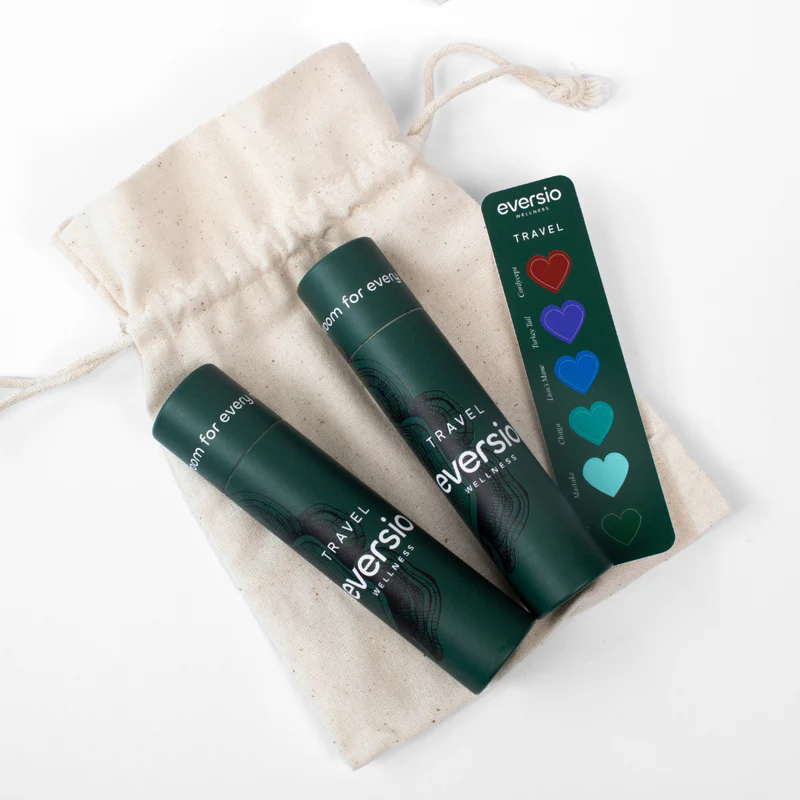
For B2B buyers, production capacity and quality control processes are among the most critical evaluation criteria. A manufacturer that cannot handle your volume or maintain consistency across large orders will become a liability as your business grows.
Production Capability
Evaluate whether the manufacturer can meet your current and projected order volumes:
- Manufacturing equipment — modern spiral-wound machines produce tubes with consistent wall density and dimensional accuracy
- Production capacity — daily output volume, lead time for standard orders, and ability to accommodate rush requests
- Bulk order handling — experience with orders of 10,000+ units without quality degradation
Quality Control Processes
Reliable manufacturers implement multi-stage quality control throughout production:
| QC Stage | What Is Checked |
|---|---|
| Material inspection | Paperboard thickness, liner integrity, adhesive composition, compliance documentation |
| Printing inspection | Color accuracy against approved proof, registration alignment, surface finish quality |
| Size accuracy checks | Diameter, height, wall thickness, and closure fit within specified tolerances |
| Final packaging inspection | Assembly integrity, surface condition, label placement, and protective packaging for shipping |
Ask the manufacturer to describe their QC process in detail. A supplier that can specify tolerance ranges, inspection checkpoints, and rejection criteria demonstrates a systematic approach to quality — rather than relying on visual checks alone.
5. Consider MOQ and Production Flexibility
Minimum order quantities directly affect whether a manufacturer can serve your brand at its current stage. Many growing brands are not yet ordering at volumes that justify high MOQs, and finding a supplier that accommodates smaller initial orders is essential for testing and market entry.
MOQs are influenced by several factors:
- Tube size — custom sizes that deviate from standard dimensions typically require higher MOQs for cost efficiency
- Printing method — offset printing requires plate setup costs that only amortize at larger quantities; digital printing enables lower MOQs
- Material choice — specialty materials like food-grade liners or compostable alternatives may require dedicated production runs
- Customization level — complex finishing combinations (embossing + foil + UV spot) typically require higher minimums
A good manufacturer offers flexible options:
| Order Scenario | What to Look For |
|---|---|
| Small initial order | Low MOQ options using digital printing and standard sizes |
| Growing brand | Scalable pricing that rewards volume increases without penalizing smaller orders |
| Established brand | Competitive bulk pricing with consistent quality at high volume |
| Seasonal or promotional | Ability to accommodate variable order sizes throughout the year |
Manufacturers that only accept very large orders may not be the right partner for brands that are still testing market response or expanding gradually. The ideal supplier supports your growth trajectory — from initial trial orders to full-scale production.
6. Ask About Samples Before Placing a Large Order
Requesting samples before committing to a full production run is a standard best practice in packaging procurement. Samples allow you to verify that the manufacturer's output matches your expectations in four critical areas:
- Appearance — color accuracy, print resolution, finish quality, and overall visual impact compared to your design proof
- Strength — structural integrity, wall rigidity, and resistance to compression during stacking and shipping
- Printing quality — sharpness of details, consistency across the tube surface, and durability of the print under handling
- Functionality — closure operation, liner performance, and whether the tube fits your actual product correctly
A reliable manufacturer will offer structured sample processes:
- Prototype samples — initial tubes made to your specifications for design validation
- Color matching samples — produced to confirm accurate color reproduction before full production
- Structure testing samples — tested for dimensional accuracy, closure fit, and product compatibility
- Product fitting samples — final samples with your actual product inside to verify real-world performance
If a manufacturer discourages sample requests or charges excessively for them, that is a warning sign. A confident supplier wants you to verify quality before committing — because they know their product will meet your standards.
7. Check Certifications and Sustainability Practices
For brands selling in Western markets, certifications and sustainability credentials are increasingly important — both for regulatory compliance and consumer trust. A transparent manufacturer should be able to provide documentation for:
| Certification / Practice | Why It Matters |
|---|---|
| FSC-certified paper | Verifies that paperboard comes from responsibly managed forests |
| Recyclable materials | Enables end-of-life recycling in standard paper waste streams |
| Food-contact compliance | FDA, EU, or LFGB certification for direct food-contact packaging |
| Sustainable production | Energy-efficient manufacturing, waste reduction, and responsible water use |
| Transparent material sourcing | Full traceability from raw material to finished tube |
Be cautious of manufacturers that make broad sustainability claims without providing specific documentation. Phrases like "eco-friendly" or "green" without supporting certification details are increasingly viewed as greenwashing by both regulators and consumers.
The EU Green Claims Directive, effective from 2026, requires substantiation for environmental claims with verifiable evidence. Brands that work with manufacturers providing transparent, certified material information will be better positioned to comply with evolving regulations.
8. Compare More Than Just the Price
The lowest price is rarely the best value in custom packaging procurement. Price-only comparisons overlook the factors that determine whether your packaging actually works for your brand:
| Factor | Why It Matters Beyond Price |
|---|---|
| Quality | Protects products from damage, maintains brand perception, reduces returns |
| Customization | Builds brand identity and shelf differentiation that drives sales |
| Reliability | Ensures consistent delivery timelines and order fulfillment |
| Communication | Reduces misunderstandings, prevents costly reprints, accelerates problem resolution |
| Sustainability | Meets market expectations and regulatory requirements in Western markets |
Consider the total cost of working with a manufacturer: per-unit price plus shipping, potential rework costs from quality issues, delays that affect your product launch timeline, and communication inefficiencies that consume your team's time. A manufacturer that charges slightly more but delivers consistent quality, responsive communication, and on-time fulfillment often provides better overall value.
The right approach is to request detailed quotations from multiple manufacturers, compare them across all the factors above, and select the partner that offers the best combination of quality, capability, reliability, and cost-effectiveness for your specific needs.
Frequently Asked Questions
Q1: How do I choose a custom paper tube manufacturer?
Evaluate manufacturers across eight key factors: customization capabilities, material quality, industry experience, production capacity, quality control processes, MOQ flexibility, sample availability, and certifications. Request samples, check references, and compare total value — not just unit price.
Q2: What should I ask a paper tube supplier before ordering?
Ask about their customization options (sizes, shapes, closures, printing, finishing), material specifications and compliance documentation, experience in your specific industry, quality control processes, MOQ requirements, sample availability, lead times, and sustainability certifications.
Q3: What is the MOQ for custom paper tubes?
MOQs vary based on tube size, printing method, material choice, and customization level. Digital printing enables lower MOQs for initial orders, while offset printing requires higher minimums for cost efficiency. A flexible manufacturer offers scalable options that accommodate different order volumes.
Q4: Can paper tube manufacturers provide samples?
Yes. Reliable manufacturers offer prototype samples for design validation, color matching samples for print accuracy, and product fitting samples for real-world testing. Requesting samples before committing to a production run is standard practice and a sign of thorough procurement.
Q5: How long does custom paper tube production take?
Production timelines depend on order volume, customization complexity, and the manufacturer's current capacity. Typical lead times range from several weeks for standard orders to longer periods for complex custom specifications. Confirm timelines during quotation and include sample production time in your project schedule.
Ready to Find the Right Paper Tube Manufacturer?
EarthyCores provides custom paper tube packaging with full customization, certified materials, and industry-specific expertise. Contact our team to discuss your packaging requirements and receive a tailored solution for your brand.