
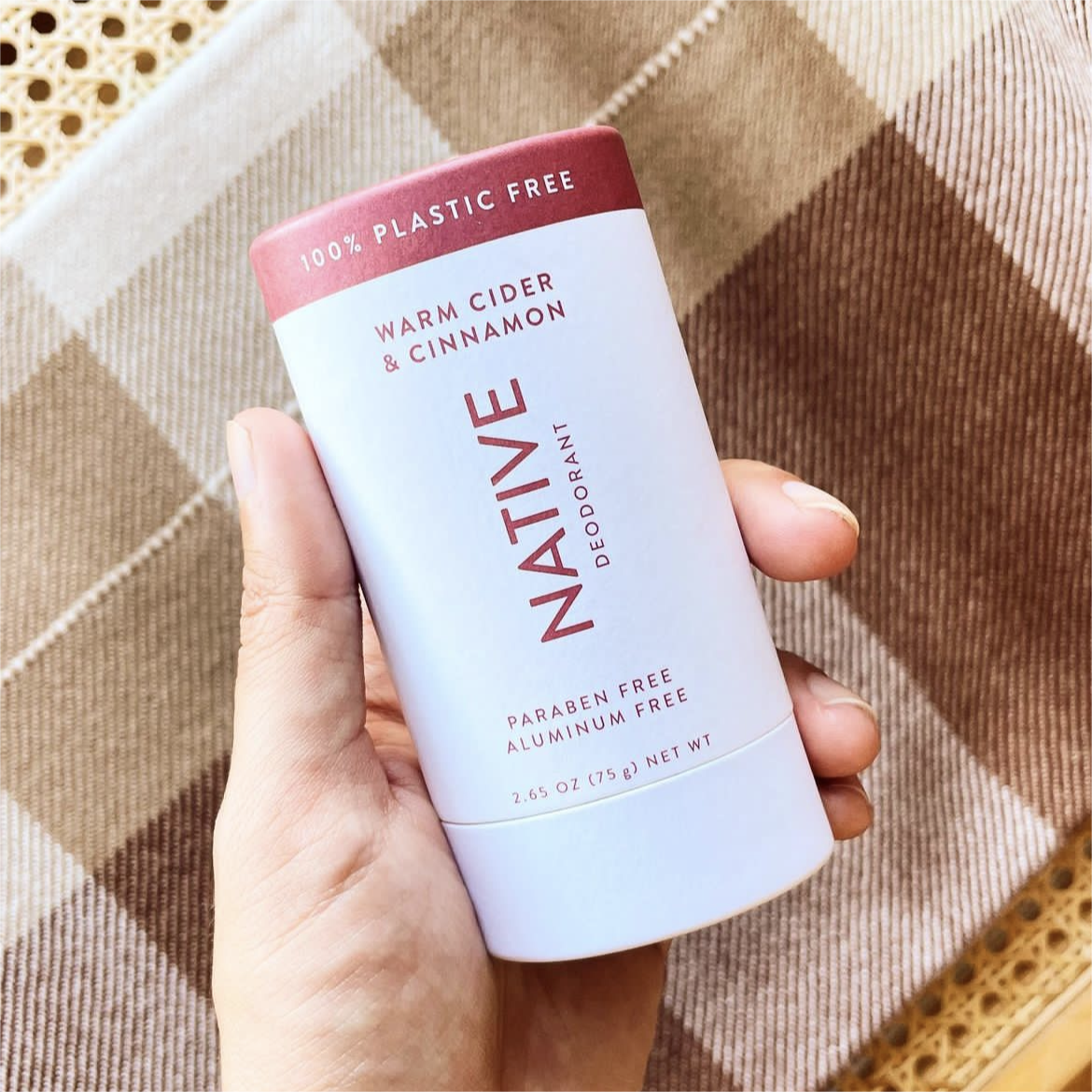
Every brand that ships a physical product faces three packaging imperatives: keep the product intact through the supply chain, make the consumer pick it up off the shelf, and don't leave behind a waste problem that erodes brand trust. Custom paper tubes are one of the few packaging formats that satisfy all three simultaneously — and they do it without the weight of metal, the brittleness of glass, or the regulatory risk of single-use plastics. This article explains exactly how they work, what makes them effective, and how to specify tubes that match your product's real-world requirements.
How Paper Tubes Protect Products
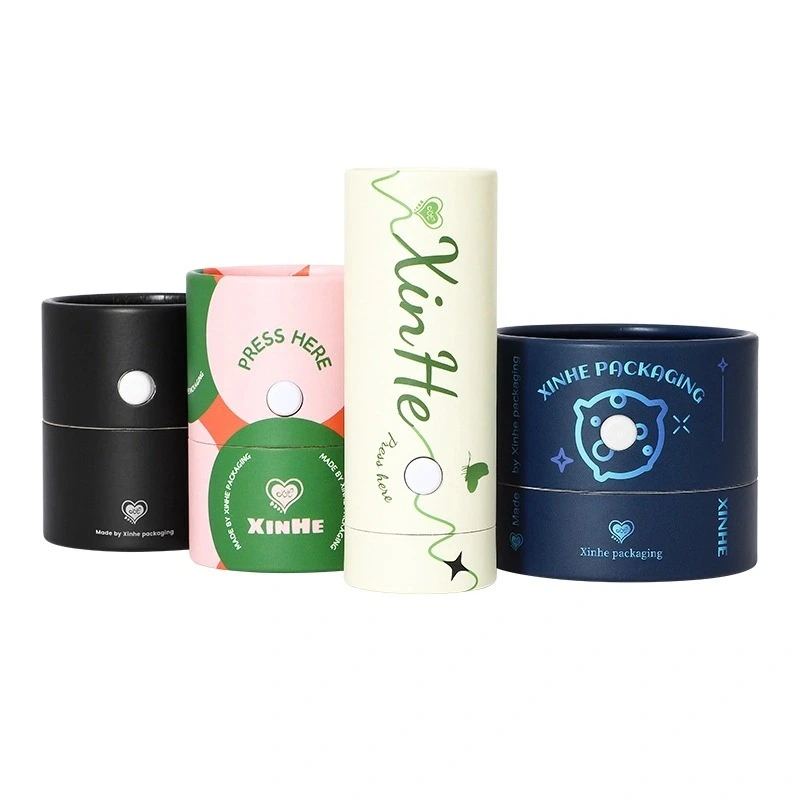
A paper tube's protective power starts with its geometry. A cylinder distributes compression forces evenly around its circumference — a structural advantage you don't get from a rectangular box, where corners concentrate stress and collapse first under stacking pressure.
Spiral-wound construction is the industry-standard method for protective paper tubes. Multiple plies of kraft paperboard are wound around a steel mandrel at an angle, with each layer's grain direction offset from the one below it. This cross-ply lamination is what gives a paper tube its crush resistance — similar in principle to how plywood outperforms solid lumber of the same thickness.
The number of plies and the total wall thickness determine crush resistance. For reference:
- 1–2 plies (1–2 mm walls): Light-duty retail display, shelf-stable dry goods.
- 3–4 plies (2.5–3.5 mm walls): E-commerce shipping, stacking in warehouse pallets, glass jar cushioning.
- 5–7 plies (4–5 mm walls): Heavy glass bottles, spirits, industrial components, export containers.
Closure systems determine what the tube can protect against beyond physical impact. A friction-fit cap is sufficient for dry goods at room temperature. A threaded cap with a foam liner adds moisture resistance for products like bath salts or powdered supplements. An induction-sealed barrier lid provides an airtight, tamper-evident seal for food-grade applications. And child-resistant push-and-turn closures meet ASTM D3475 and ISO 8317 standards for cannabis, pharmaceuticals, and household chemicals.
Inner liners add a second layer of defense. Standard kraft liners work for most products. Aluminium foil or metallised PET liners block moisture vapor transmission for hygroscopic products. Food-grade barrier paper certified to FDA or EU Framework Regulation 1935/2004 is available for direct food contact. The liner is bonded to the innermost ply during winding — it won't delaminate or shift in transit.
The Branding Advantage of 360-Degree Cylindrical Surfaces
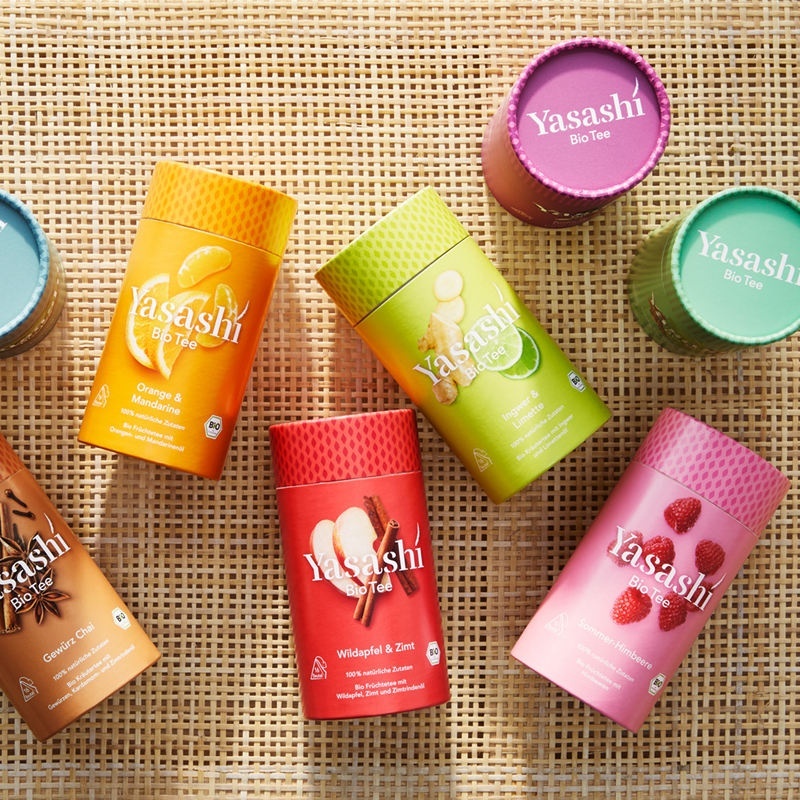
A paper tube has no "back." Unlike a folding carton, where one panel is the front and three are secondary, a cylinder offers a single, uninterrupted 360-degree printable surface. When a consumer picks up a paper tube, they rotate it naturally — there's no wrong angle, no seam where the design breaks. This makes the unboxing experience inherently more interactive than opening a conventional box.
Printing techniques available for paper tubes have expanded significantly in the last five years. Offset lithography on the outer kraft ply produces sharp, full-color reproduction with tight registration — suitable for photographic-quality brand imagery. Hot foil stamping in gold, silver, copper, or holographic finishes adds a luxury cue that registers strongly in the premium cosmetics and spirits categories. Embossing and debossing create tactile texture that consumers associate with craftsmanship. Spot UV varnish can be applied selectively to highlight logos, product names, or specific design elements against a matte background.
An increasingly popular approach is selective minimalism — leaving large portions of the kraft surface unprinted so the natural brown paper becomes part of the design language. This is particularly effective for brands positioning on authenticity, craft, or environmental values. A single debossed logo on raw kraft can communicate more brand confidence than a fully printed tube.
Window cut-outs add another dimension. A die-cut opening in the tube wall, backed with clear compostable PLA film or standard PVC, lets consumers see the product inside. This is especially effective for scented candles (where the product is visually appealing), tea blends (where color and texture signal quality), and cosmetics in decorative jars.
For e-commerce brands, paper tubes photograph differently than boxes. The cylindrical form creates natural highlights and shadows that add depth to product images. Flat-lay shots of rectangular boxes often need extensive styling to look interesting; a branded paper tube shot from a slight angle delivers visual interest with less effort — a practical consideration for brands managing their own photography.
Sustainability: Paper Tubes as a Genuinely Circular Packaging Choice
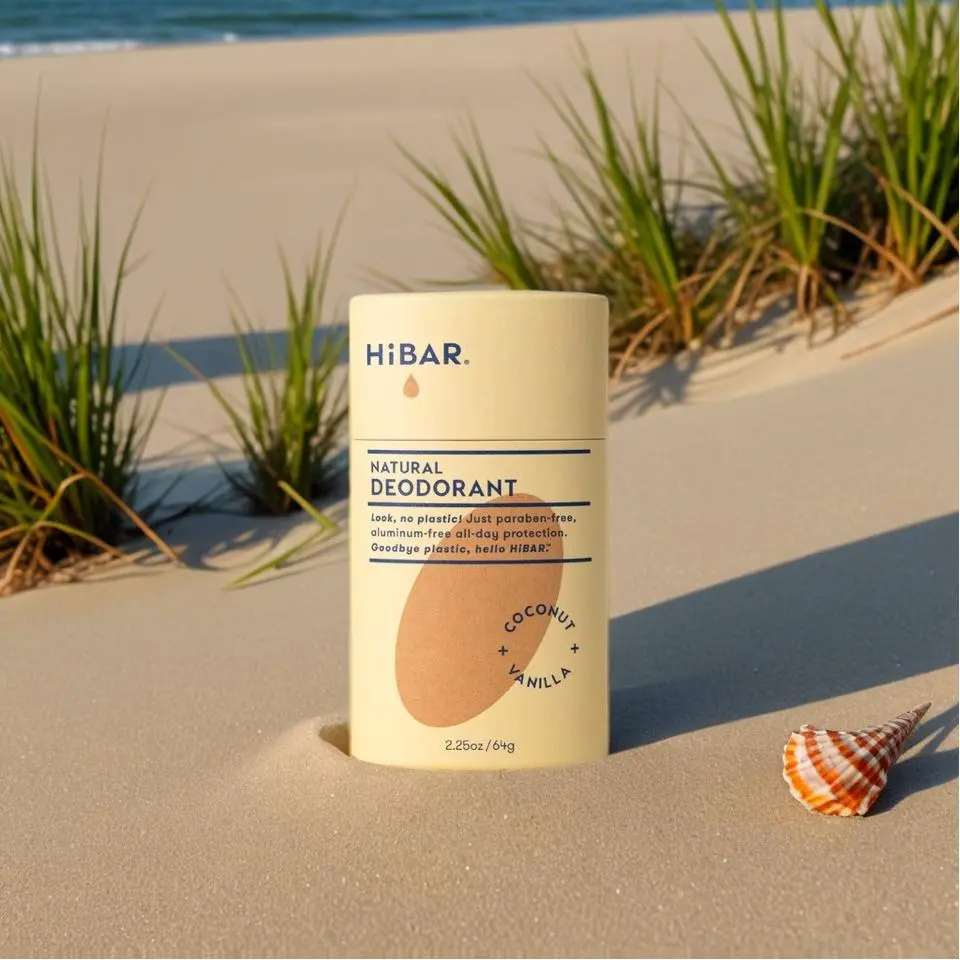
Paper tubes are not "less bad" packaging — they are one of the few packaging formats that can credibly claim circularity. The reasons are structural, not just marketing.
Material composition: A standard paper tube is 85–95% paperboard by weight. The adhesive is typically water-based PVA or starch-based, and metal ends (when used) are easily separated for recycling. This means paper tubes are accepted in curbside recycling programs across North America, Europe, and most of Asia-Pacific — the same stream as cardboard boxes and newspapers. Consumers don't need to remember special disposal instructions, which is critical for real-world recycling rates.
Responsible sourcing: Kraft paper for paper tubes can be sourced from FSC (Forest Stewardship Council) or PEFC (Programme for the Endorsement of Forest Certification) certified supply chains. This provides third-party verification that the paper fibre originates from responsibly managed forests — not from illegal logging or biodiversity-sensitive areas. For brands with published ESG commitments, FSC certification on packaging is a defensible, auditable claim.
Post-consumer recycled content: Paper tubes can incorporate post-consumer recycled (PCR) kraft fibre in the inner plies — the layers consumers don't see. This diverts material from landfill without affecting the print quality of the outer ply. Typical PCR content ranges from 30% to 70%, depending on the ply count and structural requirements.
Transport efficiency: Because empty paper tubes are open cylinders, they nest concentrically — smaller diameters slide inside larger ones. This cuts shipping volume by 40–60% compared to rigid containers that cannot nest. Fewer container loads mean lower transport emissions per unit, which feeds directly into Scope 3 carbon accounting for brands tracking supply-chain climate impact.
Compostable barrier options: For brands that need moisture or grease barriers, compostable coatings (PLA, aqueous barrier dispersions) are now available as alternatives to petroleum-based PE liners. While compostable barriers are not a universal solution — industrial composting infrastructure varies by region — they represent a meaningful step toward eliminating fossil-fuel-derived materials from the packaging stream entirely.
What Products Work Best in Custom Paper Tubes
Paper tubes are not a universal solution — they excel in specific product categories where the cylindrical form, protective characteristics, and branding surface align with the product's needs. Below are the categories where paper tubes have gained the most traction, along with the specific reasons why.
| Product Category | Why Paper Tubes Fit | Typical Specification |
|---|---|---|
| Coffee & Tea | Aroma retention, moisture barrier, premium shelf presence | FOOD GRADE inner liner, foil-stamped branding, tin-tie reseal closure |
| Cosmetics & Skincare | Glass jar cushioning, luxury unboxing, plastic-reduction alignment | SOFT-TOUCH matte finish, embossed logo, threaded metal end cap |
| Vitamins & Supplements | Child-resistant closures, moisture control, pharmaceutical aesthetics | CHILD-RESISTANT cap, induction-sealed barrier, clean typography |
| Candles & Home Fragrance | Glass jar protection, scent sealing, consumer reuse potential | WINDOW cut-out + PLA film, textured kraft surface, embossed band |
| Spirits & Wine | Bottle impact protection during transit and gifting | 5 MM heavy wall, debossed crest, foil vintage detailing |
| Chocolate & Confectionery | Delicate product protection, appetite appeal, gift-ready presentation | FULL-COLOR offset print, food-grade inner, friction-fit lid |
Customization: What You Can Specify
Unlike off-the-shelf packaging where you adapt your product to the container, custom paper tubes are engineered to your exact specifications. Here are the parameters you control:
| Specification | Options & Range | What It Affects |
|---|---|---|
| Diameter | 15 mm to 200 mm (standard); custom available | Product fit, shelf footprint, perceived value |
| Height | 30 mm to 600 mm | Product clearance, branding surface area |
| Wall Thickness | 2-ply (1.0 mm) to 7-ply (5.0 mm) | Crush resistance, stacking strength, perceived quality weight |
| Closure Type | Friction-fit, threaded, child-resistant, induction-sealed, tin-tie | Security level, reusability, regulatory compliance |
| Printing | Offset litho, foil stamp, emboss, deboss, spot UV, unprinted kraft | Brand perception, shelf differentiation, photography results |
| Inner Liner | Standard kraft, aluminium barrier, food-grade, compostable coating | Moisture protection, food safety, sustainability positioning |
| Material | Virgin kraft, FSC-certified, PCR content (30–70%), coloured kraft | Environmental claims, visual identity, cost structure |
How to Start Your Custom Paper Tube Project
Switching to custom paper tubes is straightforward when approached methodically. The process below reflects how brands typically move from concept to production:
1. Define your protection requirements first. Before discussing branding or sustainability, list every physical threat your product faces: stacking compression in a warehouse pallet, edge drops during last-mile delivery, moisture ingress in humid climates, UV exposure on retail shelves, or child-access safety requirements under 16 CFR 1700. This drives wall thickness, liner choice, and closure type — decisions that affect everything downstream.
2. Decide your branding approach. Full-color offset print under a matte or gloss finish? Strategic foil stamping on raw kraft? Window cut-outs to preview the product? Gather 3–5 reference examples from brands in your category — or adjacent categories — that achieve the look you want. This gives the manufacturer a concrete starting point rather than a vague brief.
3. Set sustainability parameters. Determine which certifications matter for your market: FSC for European and North American retail, home-compostable certifications (EN 13432 / ASTM D6400) for eco-positioned DTC brands, or PCR content minimums for corporate ESG reporting. These choices constrain the material and liner options available — specify them early.
4. Request physical samples. Digital renders and spec sheets are useful for initial direction, but nothing replaces holding a physical tube in your hand with your actual product inside it. Request samples at your exact diameter, wall thickness, closure type, and print finish. Run drop tests. Ship them to your team. Get real-world feedback before committing to production tooling.
5. Validate and scale production. Once samples pass internal testing, move to a small pilot production run. Use this to verify consistency across multiple units, confirm lead times, and test consumer response in a limited market. Leading paper tube manufacturers scale production volumes alongside your growth — from initial market-test quantities to full container orders for international distribution.
Frequently Asked Questions
Q: Are paper tubes strong enough for heavy products like glass bottles or ceramic jars?
A: Yes. Spiral-wound paper tubes with 4–5 mm wall thickness (5–7 plies) provide sufficient crush resistance for glass bottles up to 750 ml and ceramic candle jars. The cylindrical geometry distributes impact forces around the circumference rather than concentrating them at corners. Many spirits brands have switched from moulded pulp or rigid boxes to paper tubes specifically for bottle protection during e-commerce shipping.
Q: Can paper tubes be made moisture-resistant without plastic liners?
A: Yes. Aqueous barrier coatings and compostable PLA films provide moisture resistance without petroleum-based plastics. For products requiring higher barrier performance — such as bath salts or freeze-dried foods — an aluminium foil inner liner offers near-zero moisture vapor transmission while still allowing the paper exterior to be recycled after separating the liner.
Q: What certifications should I look for in a paper tube supplier?
A: At minimum: FSC or PEFC chain-of-custody certification for fibre sourcing. For food contact: FDA 21 CFR or EU Framework Regulation 1935/2004 compliance on the inner liner. For child-resistant closures: ASTM D3475 or ISO 8317 certification. For compostability claims: EN 13432 or ASTM D6400 certification on the specific tube construction — not just the raw materials. Ask suppliers to provide current certificates, not expired ones from a previous audit cycle.
Q: How do lead times for custom paper tubes compare to other packaging formats?
A: Custom paper tube production typically runs 4–8 weeks from artwork approval to delivery, depending on order volume and complexity. This is comparable to custom folding cartons and significantly faster than custom glass or rigid plastic moulding, which can take 10–14 weeks due to tooling fabrication. Rush orders are possible for simpler specifications — unprinted kraft tubes with standard closures can ship in 2–3 weeks.
Q: Can paper tubes replace plastic containers for liquid or semi-liquid products?
A: Paper tubes are generally not suited for direct liquid contact — they are rigid outer packaging, not primary containers for liquids. However, they are widely used as secondary packaging for glass or plastic bottles containing liquids (spirits, oils, syrups) and for semi-solids packaged in inner jars or pouches (creams, balms, pastes). In these applications, the paper tube provides structural protection, branding, and sustainability credentials while the inner container handles product compatibility.
Ready to Explore Custom Paper Tubes for Your Product Line?
Whether you're launching a new product that needs distinctive sustainable packaging, switching an existing SKU from plastic or rigid materials, or exploring paper tubes for a product category we haven't covered here — EarthyCores engineers packaging solutions to your exact specifications. We support every stage: concept development, material selection, sample production, testing, and scaled manufacturing.
Contact our team to discuss your requirements and request physical samples.