
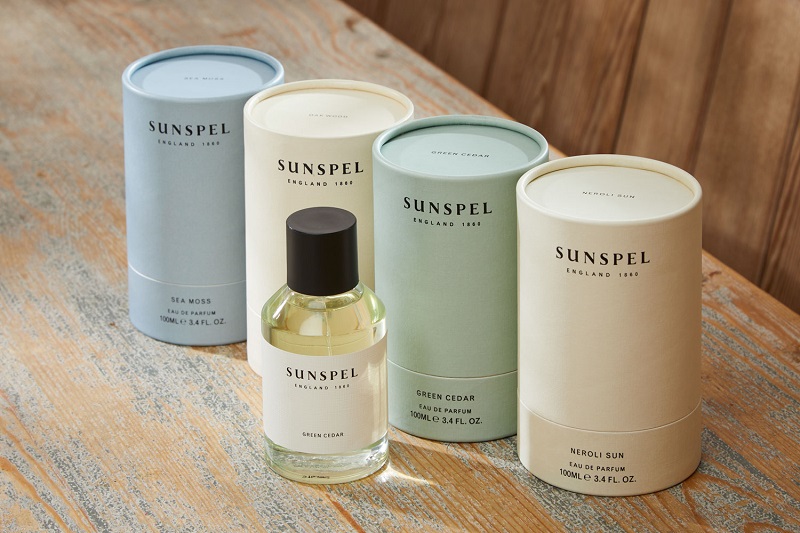
A procurement team rarely has trouble finding suppliers who claim they can make paper tubes. The difficulty comes later: a quote that shifts once artwork is finalized, a sample that takes three weeks to arrive, a production batch that looks slightly different from the approved prototype, or a launch date that slips because one specification was never confirmed in writing. When brands source custom paper tube packaging, most of the friction is not about whether tubes can be produced at all. It is about whether the buying process around them is predictable.
This guide covers the eight pain points procurement teams meet most often when buying custom paper tube packaging, why each one happens, and what to put in place before an order is placed. The aim is not to rank or judge suppliers, but to make the purchasing process easier to control from the first enquiry through to final delivery.
Why Custom Paper Tube Sourcing Goes Wrong
Paper tubes look simple from the outside, which is part of the problem. A cylinder of board with a printed label appears to be a low-risk purchase, so specifications are often agreed quickly and the details are left to the supplier. Three characteristics of the category make that approach risky:
- Every tube is engineered to order. Diameter, height, wall thickness, liner, closure, and print method are all specification decisions, and a single change late in the process can affect cost, tooling, and lead time.
- The supply chain has several stages. Board, liner, printing, finishing, winding, and packing are often handled at different points, so each stage adds both a lead time and a possible failure point.
- Buying happens remotely. Specifications, artwork, and approvals move through email across time zones, which means any assumption that is not written down can turn into a production error.
Nearly every pain point below traces back to one of these three conditions. None of them is solved by finding a cheaper supplier; they are solved by tightening the information that moves between buyer and factory.
Pain Point 1: MOQs That Do Not Match Your Launch Volume
Custom paper tube production is built around print runs and tooling, so most factories quote a minimum order quantity that reflects their own economics rather than a brand's launch plan. A brand launching three SKUs in modest volumes can find itself facing minimums that make a trial order unrealistic, or paying a unit price that only makes sense at full volume.
The practical fix is to separate the structural minimum from the print minimum. Ask whether a standard tube size can carry the first run while a custom size is tooled later, and whether the agreed unit price can hold across a small pilot order and a larger follow-up. Suppliers who treat MOQ as a planning conversation rather than a fixed wall are usually the ones worth keeping.
Pain Point 2: Lead Times That Slip After the Order Is Placed
Quoted lead times are frequently calculated from the point production starts, not from the day the purchase order is confirmed. Artwork approval, sample sign-off, material availability, and shipping schedules all sit in front of production, and each one can add days that were never mentioned in the original quote.
Ask for a lead time broken down by stage — proof approval, production, finishing, packing, and dispatch — and ask which stages depend on inputs from your side. Suppliers who can give a staged timeline tend to manage their own schedule better, because the breakdown forces internal dependencies to become visible before they become delays.
Pain Point 3: Sampling That Takes Weeks and Costs Too Much
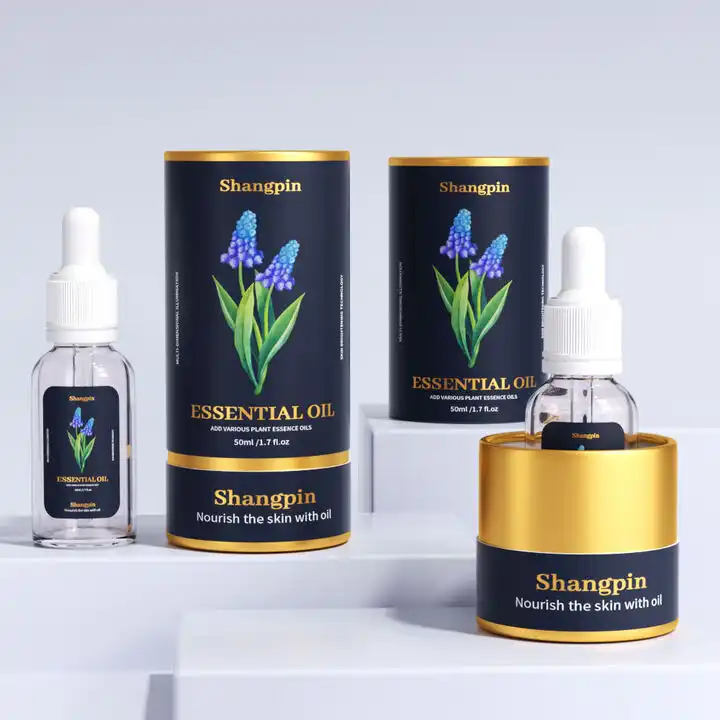
Samples are the cheapest place to find a mistake, yet the sampling stage is often treated as an afterthought. Requests sit in a queue, tooling is reserved for paying orders, and a brand waits weeks for a tube that answers only half of its questions. When the sample finally arrives, it is often unclear what has been approved and what is still open.
A useful sampling process has two steps. The first is a structural sample: a plain tube in the final diameter, height, wall thickness, and closure, so fit and protection can be checked without print in the way. The second is a printed sample using final artwork, print method, and finish. Approving structure separately from print makes it obvious which decisions are locked and which are still negotiable. Before ordering, confirm what a physical sample costs, how long it takes, and whether the sample charge is credited against the production order.
Pain Point 4: Batch-to-Batch Quality Drift
Brands that reorder the same tube expect the second shipment to match the first. Quality drift shows up in ways that are easy to miss in a warehouse: a slightly different board shade, a print that registers a millimetre off, a lid that fits a little more loosely, or a lamination that reads differently under retail lighting.
Exposure to drift is reduced by agreeing on measurable tolerances and putting them in writing: diameter and height tolerance, wall thickness, closure fit, a print colour reference such as a Pantone number or an approved physical sample, and the exact finish. Ask whether the supplier retains a signed-off sample and whether reorders are checked against it. A supplier who can describe that check in specific terms is far easier to work with than one who simply promises consistency. The same discipline that protects a product in transit also protects the brand on the shelf, which is the balance described in our guide to custom paper tubes for product protection, branding, and sustainability.
Pain Point 5: Quotes That Change Before You Order
A quote that covers only the tube itself is not a complete quote. Cost can move between enquiry and purchase order because artwork changes, quantities shift, a liner or finish is added, or freight is quoted separately and only appears at the end. Comparing two suppliers on a single headline number usually hides more than it reveals.
Ask for a quote broken into its parts — tube, liner, printing, finishing, packing, and freight — and confirm which elements are fixed and which are subject to change. A costing structure you can read is easier to compare, easier to defend internally, and easier to adjust when volumes change. Brands planning a budget around realistic figures rather than the lowest headline price can start with our guide to what custom paper tubes cost.
Pain Point 6: "Fully Customizable" Suppliers With Hidden Structural Limits
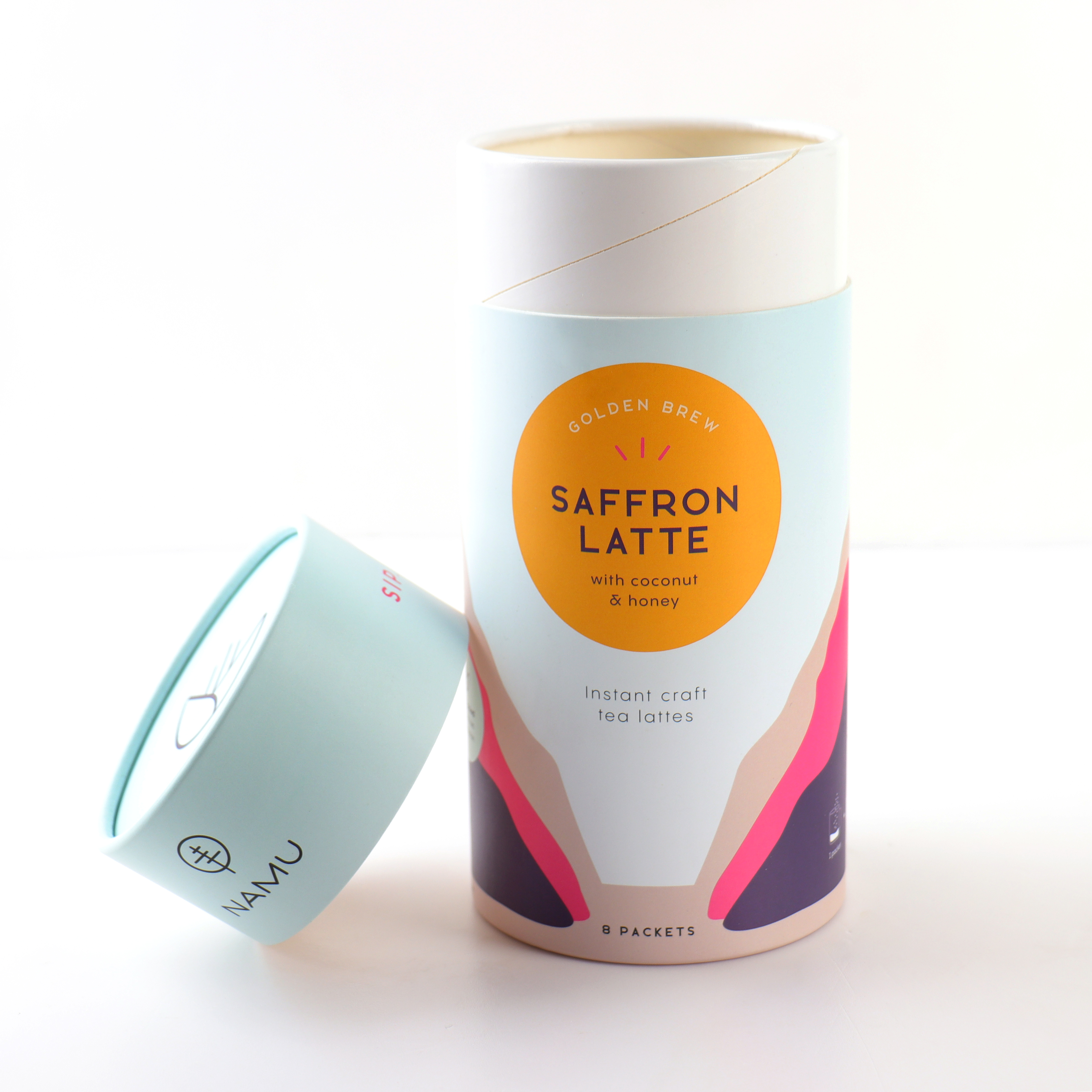
Almost every supplier describes itself as fully customizable. In practice, structural limits appear later: a diameter that cannot be wound below a certain wall thickness, a closure that only works in specific sizes, a window that weakens the tube more than expected, or a shaped tube whose tooling cost only makes sense at high volume.
The way to test the claim is to send the product, not just the artwork. A short conversation about dimensions, weight, fragility, and closure requirements before the design is locked will surface constraints while they are still cheap to change. For a more detailed look at how structure, print, and finishing decisions interact, see our guide on how to design custom paper tube packaging.
Pain Point 7: Compliance and Certification Gaps
Documentation is often requested late, and by then it can hold up a shipment. Depending on the product and the market, buyers may need evidence of food-contact compliance, material certification, or a documented chain of custody for the board used in the tube.
Ask for certificates at the quotation stage rather than after the order is confirmed, and check that the documents cover the specific material used for your tube rather than the supplier's general capability. Keeping copies filed with the specification means the same evidence can be reused for repeat orders and retailer requests without another round of emails. The standards the tubes are produced under are listed on our certifications page.
Pain Point 8: Communication Gaps Across Time Zones
When a supplier is in a different time zone, every question costs a day. Unanswered questions accumulate, assumptions fill the gaps, and the misunderstanding is usually discovered at the sample stage or, worse, at the first delivery. The problem is rarely willingness; it is the absence of a single shared reference.
Reduce the gap by consolidating questions into one message rather than sending them one at a time, keeping a written specification sheet as the single source of truth, and agreeing in advance on who on the supplier's side is authorized to confirm changes. A short weekly status note with photographs of the current production stage is often more useful than a long email thread, because it shows progress instead of describing it.
How to Vet a Custom Paper Tube Packaging Supplier
Supplier selection comes down to the ability to execute a specification consistently, not the size of a catalogue. Four areas are worth checking before committing to a first order:
- Structural capability. Which diameters, wall thicknesses, tube formats, and closure types are actually produced in-house, and which are outsourced.
- Print and finishing. Which print methods are available, how colour is controlled, and how finishing options behave at production scale.
- Sampling and documentation. How samples are produced, how long they take, and whether tolerance and colour standards are recorded against them.
- Production consistency. How reorders are verified and what evidence the supplier can share when a batch does not match the approved sample.
Suppliers who answer these questions with specifics rather than adjectives are easier to work with over a long product line, because the conversation stays technical. For a fuller comparison framework, see our guide on how to choose a reliable custom paper tube manufacturer.
Procurement Checklist: What to Confirm Before You Order
| Item | What to Confirm |
|---|---|
| Specification sheet | Diameter, height, wall thickness, closure type, liner, and material recorded in one document |
| Sample approval | Structural sample and printed sample both signed off before production begins |
| Tolerances | Diameter, height, closure fit, and print colour reference agreed in writing |
| Print and finish | Method, colours, lamination, or coating confirmed against the approved sample |
| Compliance documents | Food-contact, material, and chain-of-custody certificates issued for the specific material used |
| Quote structure | Unit cost, tooling, liner, finishing, packing, and freight listed separately |
| Lead time | Broken down by stage, with the inputs required from your side identified |
| Reorder terms | Price validity period, sample retention, and the reorder verification process |
Frequently Asked Questions
How do I choose a custom paper tube packaging supplier?
Start with structural capability and sampling process rather than price. Confirm which diameters, wall thicknesses, and closures are produced in-house, ask what a physical sample costs and how long it takes, and check whether tolerances and colour standards are documented. A supplier who can answer these points with specifics will usually run a smoother production order.
What is a typical MOQ for custom paper tube packaging?
Minimums vary by structure, print method, and finishing, and they are usually driven by print setup and tooling rather than the winding process itself. Ask whether the minimum applies to the structural run or the printed run, and whether a standard size can cover an initial launch while a custom size is tooled for later volumes.
How long does it take to receive samples?
Timing depends on whether the size already exists or needs new tooling. Plain structural samples are typically faster than printed samples, which require artwork approval and a print setup. Always confirm the sample lead time separately from the production lead time, and ask whether the sample charge is credited against the order.
Can I get the same tube quality on a reorder?
Consistency depends on documented standards rather than memory. Ask the supplier to retain a signed-off sample and a written tolerance and colour reference, and to confirm that each reorder is checked against them. That protects the brand when the same tube is produced months apart or across different production runs.
What should a paper tube quote include?
A useful quote separates the tube, liner, printing, finishing, packing, and freight, and states which elements are fixed and which may change with volume or artwork. A single landed price is harder to compare and hides the cost drivers that matter when a specification or quantity changes.
Do paper tubes meet food-contact requirements?
Paper tubes designed for food-contact applications are produced with compliant board and liners and supplied with supporting documentation. Because requirements differ by market and product, request the certificates for the specific material used in your tube at the quotation stage rather than after the order is placed.
Making the Buying Process Predictable
Most procurement pain points in custom paper tube packaging come from information that was never written down, not from production capability. MOQs, lead times, samples, tolerances, quote structure, and documentation are all manageable when they are agreed in advance and recorded in a single specification. They become expensive only when they are discovered at the sample stage or after delivery.
The practical takeaway is to treat the supplier as a production partner rather than a catalogue. Share the product and the launch plan early, ask for the staged lead time and the itemized quote, and keep the approved sample and tolerances on file for every reorder. A predictable process is worth more than a marginally lower unit price, because it protects the launch date as well as the budget. For brands comparing formats as well as suppliers, our overview of custom paper tube packaging solutions for modern brands covers how tube structure, print, and closure choices come together in a finished programme.
Sourcing Paper Tubes for an Upcoming Launch?
Share your product dimensions, target quantities, and launch timeline with our packaging team. We will confirm what is feasible, provide a staged lead time and an itemized quote, and send a structural sample before you commit to production.