
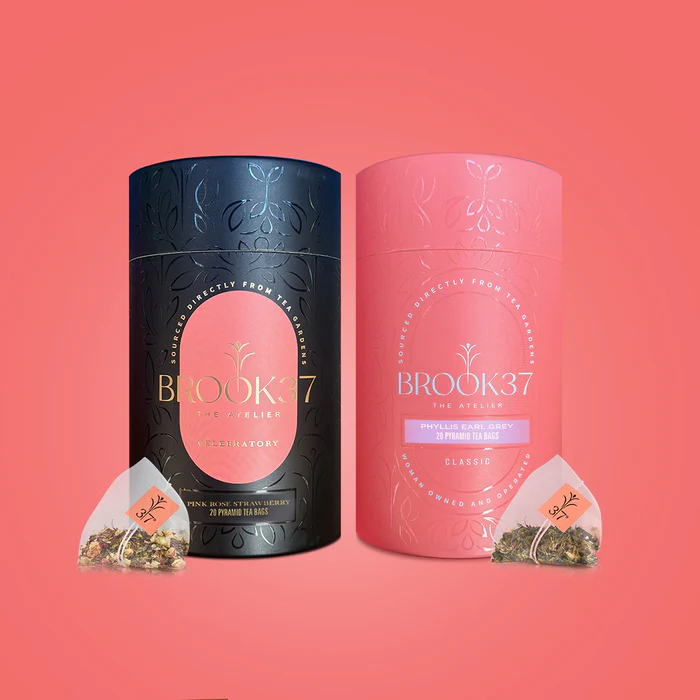
Modern consumer brands face a dual challenge: packaging must protect the product while telling a compelling brand story. Custom paper tube packaging meets both demands in a single, sustainable format. From luxury skincare to artisanal foods, paper tubes are replacing plastic jars, rigid boxes, and metal tins across industries -- offering a canvas for design that is as functional as it is beautiful.
This guide explores the full spectrum of custom paper tube packaging solutions available today. You will learn about different tube constructions, how to match tube types to your product category, which customization options deliver the best return on investment, and why sustainability credentials in paper tube packaging resonate with today's environmentally conscious consumers.
Why Custom Paper Tubes Are Winning for Modern Consumer Brands
Three converging market forces have made custom paper tubes the packaging format of choice for forward-thinking brands.
Design flexibility. Paper tubes offer 360-degree printable surfaces and multiple substrate options including kraft, white clay-coated, and specialty textured papers. Unlike injection-molded plastic or extruded aluminum, paper tubes can be produced in virtually any diameter and height combination without expensive tooling changes. This means small-batch testing, seasonal limited editions, and SKU-specific packaging are all achievable at accessible volumes.
Consumer perception. Multiple consumer surveys confirm that paper-based packaging ranks highest for perceived quality and environmental responsibility. A cylindrical paper tube with precise printing and tactile finishing communicates craftsmanship in a way that flexible pouches or blister packs simply cannot match.
E-commerce compatibility. Cylindrical paper tubes excel in shipping. The geometry distributes impact forces evenly around the circumference, and the rigid wall construction protects fragile contents during transit. Brands report significantly lower damage rates when switching from rectangular boxes to sturdy paper tubes for direct-to-consumer fulfillment.
Retail shelf presence. When grouped on a shelf, cylindrical packages create a distinctive visual rhythm that stands apart from rectangular boxes. The curved surface also draws the eye differently than flat panels, a subtle advantage in competitive retail environments where split-second purchase decisions are the norm.
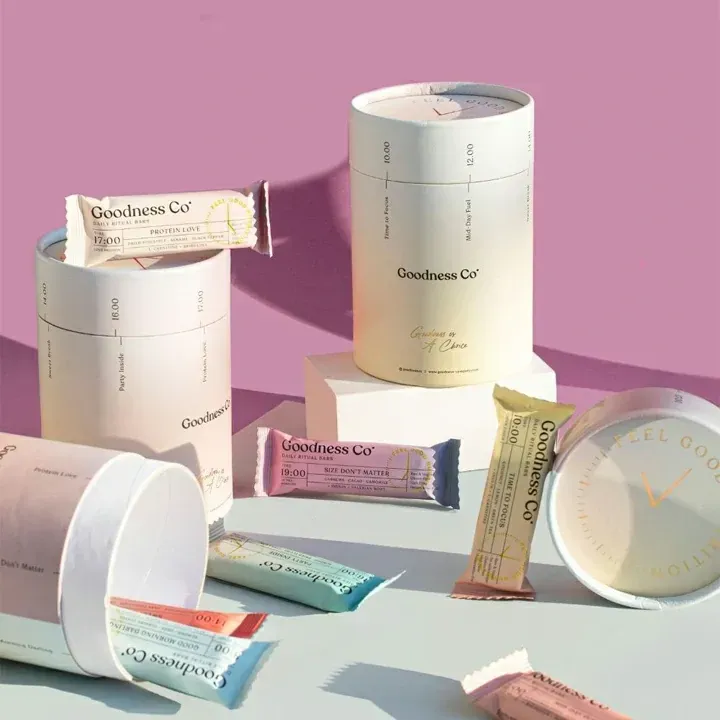
Core Types of Custom Paper Tube Packaging
Understanding the structural options available is the first step toward selecting the right solution for your product line.
| Tube Type | Construction | Best For |
|---|---|---|
| Spiral-Wound Paper Tubes | Multiple paper plies spirally wound around a mandrel with adhesive between layers. Creates exceptionally round, strong tubes with consistent wall thickness. | Heavy products, premium cosmetics, candles, wine bottles, shipping tubes |
| Convolute-Wound Paper Tubes | Single or multiple plies wrapped parallel to the tube axis. More economical for thinner walls and smaller diameters. | Lightweight items, lip balms, sample containers, promotional kits |
| Telescopic Two-Piece Tubes | A slightly larger lid tube slides over a base tube, creating a clean seam-free exterior appearance. Both pieces can be spiral or convolute wound. | Luxury skincare, fragrance gift sets, premium confectionery |
| Shoulder-Neck Tubes with Threaded Caps | A paper tube body fitted with an injection-molded shoulder and threaded cap. Combines paper aesthetics with resealable plastic functionality. | Daily-use products requiring frequent opening: supplements, powdered beverages, skincare creams |
| Window Cut-Out Tubes | A die-cut window in the tube wall, typically covered with a transparent PET or compostable film, allowing the product to be partially visible. | Textiles, scarves, socks, tea bags, products where visual inspection drives purchase |
| Child-Resistant Paper Tubes | Push-and-turn closure mechanisms integrated into the paper tube cap design. Compliant with CPSC standards for child-resistant packaging. | CBD products, cannabis, pharmaceuticals, any regulated category requiring safety closures |
Industry Solutions: Matching Tube Types to Product Categories
Different industries have distinct packaging requirements. Here is how custom paper tubes serve key product categories.
| Industry | Recommended Tube Type | Key Requirements Met |
|---|---|---|
| Beauty and Skincare | Telescopic two-piece, shoulder-neck | Premium shelf presence, resealable daily use, moisture protection |
| Food and Beverage | Spiral-wound with food-grade liner | Food safety compliance, aroma retention, grease resistance |
| Wellness and Supplements | Shoulder-neck threaded, child-resistant | Tamper evidence, dosage protection, regulatory compliance |
| Candles and Home Fragrance | Spiral-wound, telescopic | Heat-compatible materials, decorative finishing, gift-ready presentation |
| CBD and Cannabis | Child-resistant, UV-blocking lining | Child safety compliance, light protection, odor containment |
| Apparel and Textiles | Window cut-out, spiral-wound | Product visibility, crush protection, reusable gifting format |
.png?imageMogr2/format/webp)
Customization: Building Your Brand's Perfect Tube
Custom paper tubes offer a uniquely wide palette of customization options. Unlike rigid boxes or glass containers, nearly every surface and structural element can be tailored to your specifications.
| Customization Element | Options Available | Best For |
|---|---|---|
| Printing Method | Offset lithography, hot foil stamping, screen printing, digital printing, embossing and debossing | Gradient-heavy designs, metallic accents, tactile brand marks, short-run flexibility |
| Paper Stock | Natural kraft, white kraft, coated art paper, specialty textured paper, metallic paper | Earthy/natural aesthetic, bright color reproduction, luxury tactile feel |
| Interior Lining | Bare kraft, aluminum foil, PET film, compostable PLA lining, greaseproof paper | Food contact, moisture barrier, aroma preservation, enhanced recyclability |
| Closure System | Friction-fit lid, threaded plastic cap, metal screw cap, bamboo wood cap, cork stopper | Reusability goals, material harmony, premium unboxing experience |
| Dimensions | Diameter from 15mm to 200mm+, height from 20mm to 600mm+. Custom within this range. | Precise product fit, minimizing fillers, maximizing shelf efficiency |
| Special Features | Die-cut windows, tear strips, QR-code integration, embossed logos, spot UV varnish, soft-touch coating | Interactive unboxing, tamper evidence, anti-counterfeiting, luxury tactile experience |
The ability to combine these elements means a brand can create a tube that is entirely its own -- from the tactile feel of the paper stock to the precise closure system that matches how customers interact with the product daily.
Sustainability: Packaging That Aligns With Consumer Values
Sustainability is no longer optional for consumer brands. Custom paper tube packaging addresses environmental concerns across multiple dimensions.
Material sourcing. Paper tubes are primarily made from renewable wood fiber. When sourced with FSC (Forest Stewardship Council) or PEFC (Programme for the Endorsement of Forest Certification) chain-of-custody certification, brands can substantiate responsible forestry claims. Post-consumer recycled (PCR) content can also be incorporated, with tubes available containing 30% to 100% recycled fiber depending on structural requirements.
End-of-life simplicity. Unlined kraft paper tubes are accepted in virtually all curbside recycling programs. Even tubes with minimal plastic components -- such as a small PET window or plastic cap -- can often be separated by the consumer for proper disposal. Many manufacturers now offer fully plastic-free tube constructions using compostable films and fiber-based closures.
Transportation efficiency. The cylindrical geometry allows for nesting during bulk shipment, and the light weight of paper versus glass or metal reduces per-unit shipping emissions. Many brands report measurable reductions in their Scope 3 transportation emissions after switching from heavier packaging formats.
Consumer communication. The surface of a paper tube is the ideal place to tell your sustainability story. Print recycling instructions, FSC logos, or messages about plastic reduction directly on the package -- turning every unit into a brand ambassador for your environmental commitments.
Regulatory alignment. As jurisdictions worldwide introduce extended producer responsibility (EPR) laws and single-use plastic bans, paper-based packaging provides a future-proof compliance pathway that plastic and multi-material laminates increasingly cannot offer.
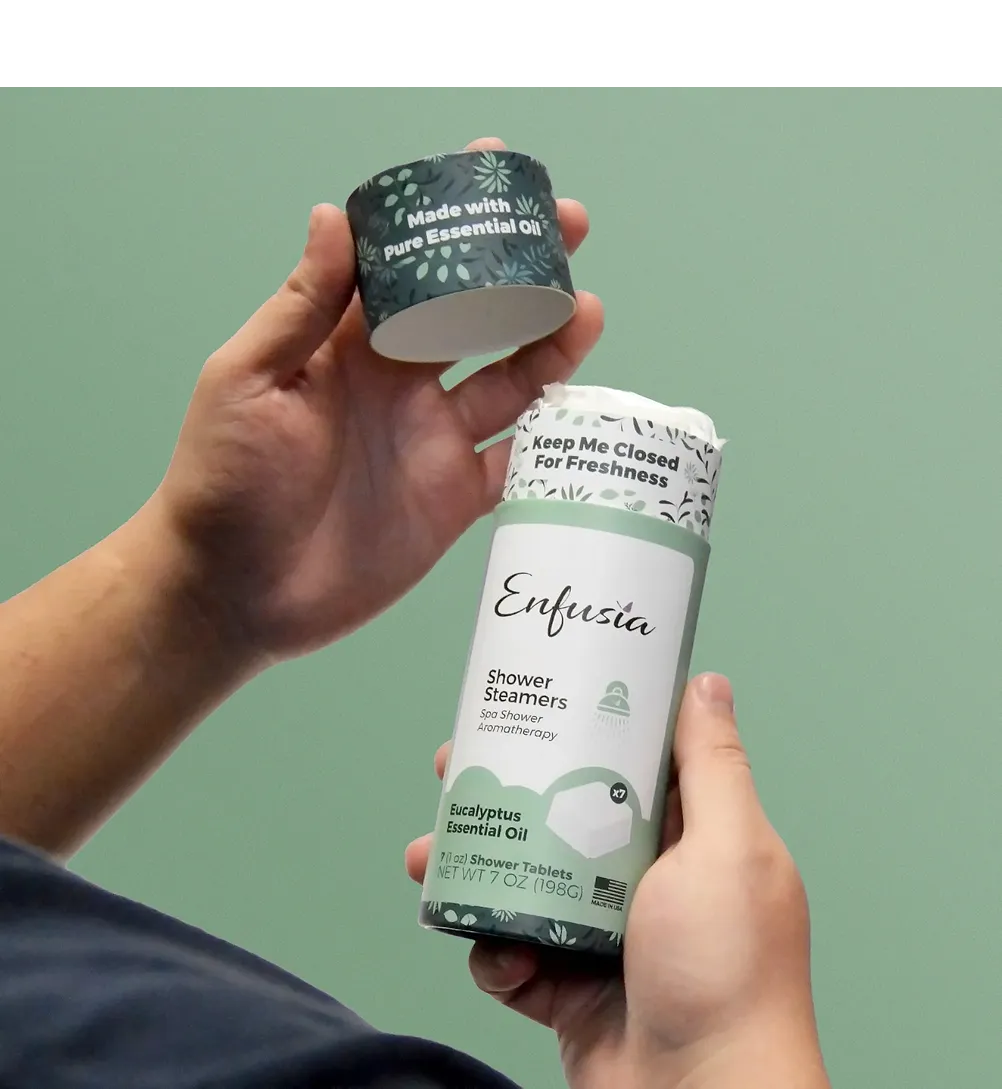
How to Choose the Right Custom Paper Tube Solution
Selecting the optimal paper tube solution requires evaluating your product against five key criteria. Answer these questions to narrow your options:
1. What does your product weigh? Spiral-wound tubes with multiple plies handle heavier contents (up to several kilograms). Convolute-wound construction is sufficient for lightweight items under 200 grams. Match wall thickness to product weight to avoid over-engineering or under-protecting.
2. How often will the consumer open it? For daily-use products like supplements or skincare creams, a shoulder-neck tube with threaded cap offers the best balance of seal integrity and convenience. For gift or collectible items opened once or twice, a friction-fit lid provides a satisfying unboxing experience without the cost of a molded closure.
3. Does your product need to be seen? If visual inspection influences purchase decisions -- common with tea sachets, artisanal candles, or textile goods -- a window cut-out tube lets the product sell itself. If branding alone carries the message, a full-wrap printed tube maximizes design real estate.
4. What is your sales channel? E-commerce demands crush resistance and efficient cube utilization. Retail shelf placement rewards distinctive shapes and premium finishing. Gift and subscription boxes benefit from reusable, keepsake-quality construction. Your primary channel should guide material choices and structural decisions.
5. What are your sustainability goals? Determine which claim matters most to your customers: recyclability, recycled content, plastic-free construction, or carbon footprint reduction. Each goal may steer you toward different material combinations -- for example, an aluminum foil liner improves barrier performance but may complicate recyclability in some municipal systems.
Making the Switch: From Traditional to Custom Paper Tube Packaging
Transitioning your product line to custom paper tubes is a structured process. Here is how brands typically navigate it:
Step 1: Audit your current packaging. Document what works and what does not with your existing packaging. Measure damage rates, collect customer feedback on openability, and calculate per-unit shipping and material costs.
Step 2: Define requirements. Specify dimensions, weight capacity, closure type, interior lining needs, and any regulatory standards your packaging must meet. This becomes the brief your tube manufacturer works from.
Step 3: Develop samples. Request physical samples in your target specifications. Test them with real products through simulated shipping, shelf display, and consumer-use scenarios. This step reveals issues that specifications on paper cannot predict.
Step 4: Design and proof. Work with your manufacturer's pre-press team on artwork. Pay particular attention to how designs wrap around a cylinder -- elements that look centered on a flat proof may shift visually on a curved surface.
Step 5: Pilot and scale. Run a small production batch first. Monitor the filling line, shipping performance, and consumer feedback. Adjust as needed before committing to full production volumes.
Frequently Asked Questions
Q: What is the minimum order quantity for custom paper tubes?
Minimum order quantities vary by manufacturer and tube complexity, typically ranging from 1,000 to 5,000 units per SKU. Some manufacturers offer low-MOQ digital printing options for startups and small-batch launches.
Q: Can paper tubes hold liquids or semi-liquids?
Yes. With appropriate internal linings -- such as aluminum foil, food-grade PET, or compostable PLA -- paper tubes can safely contain creams, balms, honey, and other viscous products. Full liquid containment for water-thin products typically requires additional barrier engineering.
Q: How long does the custom paper tube production process take?
Standard production lead times range from 4 to 8 weeks from artwork approval, depending on order volume and complexity. Rush production within 2 to 3 weeks may be available at some manufacturers for urgent launches.
Q: Are custom paper tubes more expensive than plastic or glass alternatives?
Custom paper tubes are competitively positioned in the mid-to-premium packaging segment. Their total value proposition extends beyond unit cost to include lower shipping weight, reduced breakage, and stronger brand perception -- factors that often offset any per-unit material difference.
Q: Can I get FSC-certified or fully recyclable paper tubes?
Yes. FSC chain-of-custody certification is available from many paper tube manufacturers. For fully recyclable construction, specify unlined kraft tubes with fiber-based closures and water-based adhesives. Your manufacturer can guide you to the right material combination for your sustainability certification goals.
Ready to Explore Custom Paper Tube Packaging?
Whether you are launching a new product or upgrading existing packaging, custom paper tubes deliver protection, brand impact, and sustainability in a single solution.