
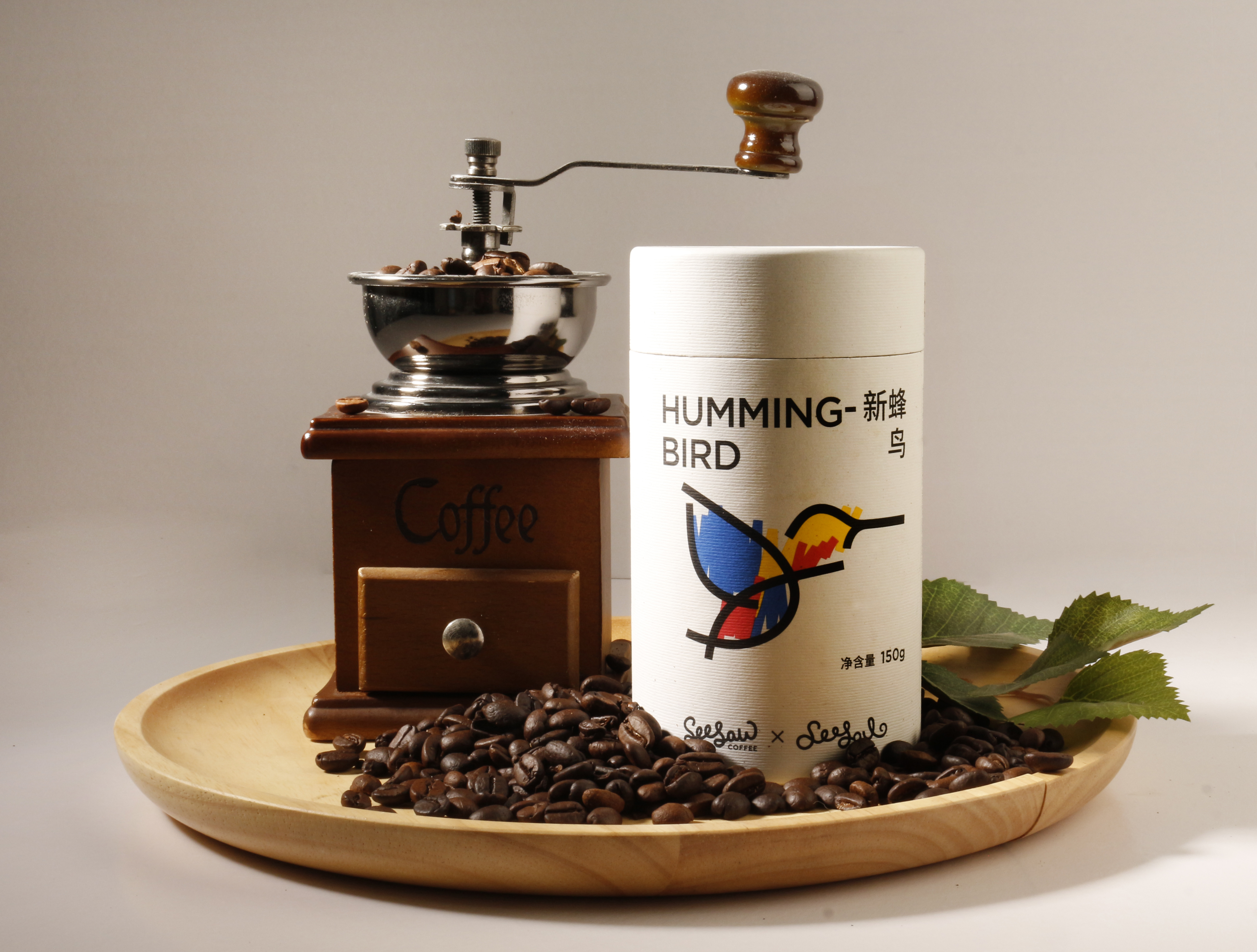
Coffee is a sensory product. Before the first sip, a customer forms impressions through the packaging that carries your beans or grounds from the roaster to their kitchen counter. Custom paper tube packaging for coffee has emerged as the format of choice for roasters, specialty brands, and private-label companies that want to preserve freshness, communicate craft identity, and align with sustainable packaging expectations.
Unlike flexible pouches or rigid tins, paper tubes offer a distinctive cylindrical shape that feels substantial in the hand, stacks neatly on shelves, and provides a continuous 360-degree surface for brand storytelling. This guide explains why coffee brands are investing in custom paper tube packaging, what technical features matter for product protection, and how to design tubes that perform in retail, e-commerce, and subscription channels.
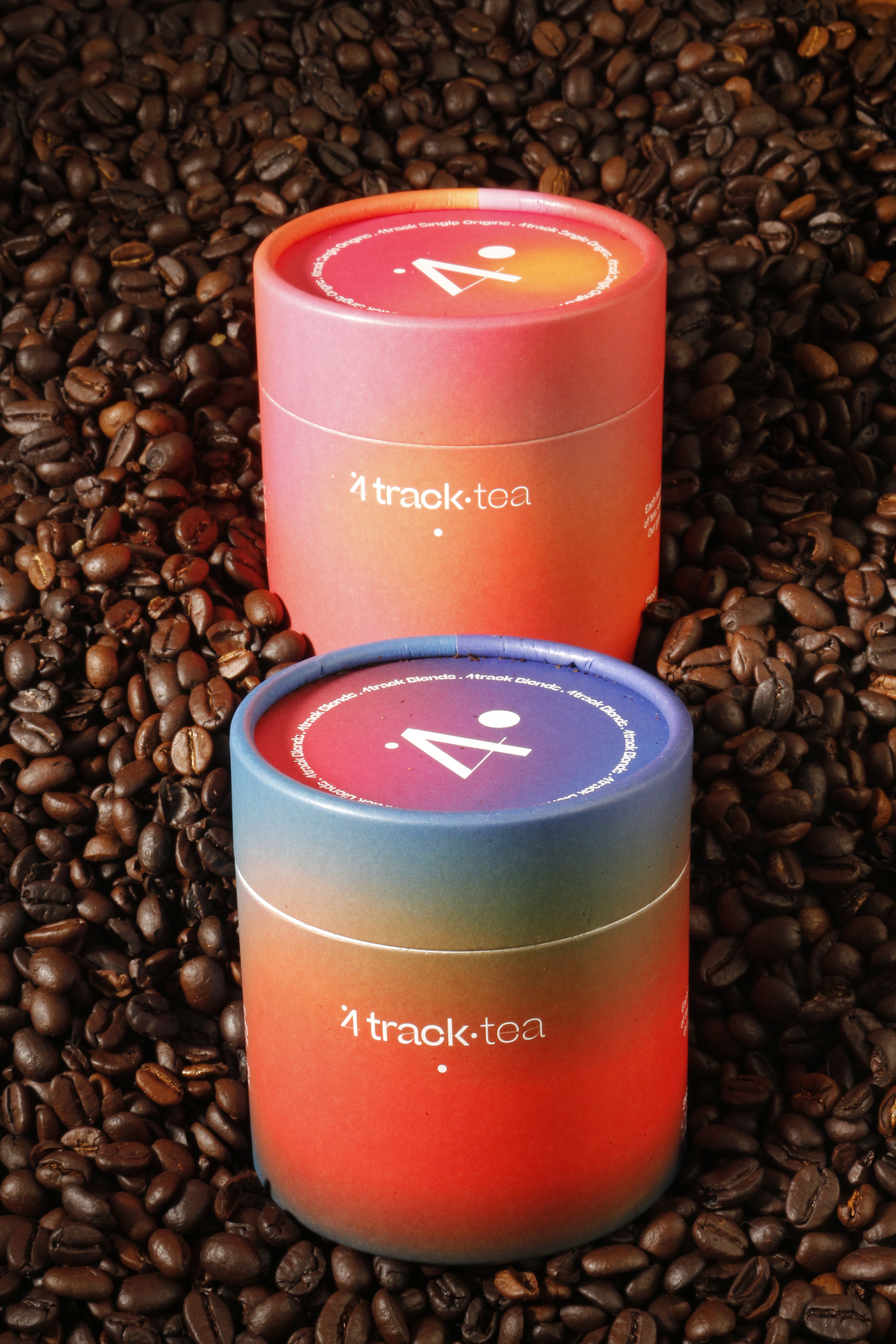
Why Coffee Brands Choose Paper Tube Packaging
Coffee packaging must do three things simultaneously: protect aroma, communicate quality, and stand out in a crowded category. Paper tubes excel at all three.
Structural protection. Spiral-wound paper tubes have natural hoop strength. The circular cross-section distributes external pressure evenly around the circumference, reducing the risk of denting or collapse during shipping. This is especially valuable for e-commerce, where packages are handled by multiple carriers and stacked in transit. The tube body also provides a solid barrier against light and moderate impact, both of which can degrade the quality of roasted coffee.
360-degree branding. Coffee is a category where brand story matters. Origin, roast level, tasting notes, brewing recommendations, and sustainability certifications all need space to be communicated clearly. A paper tube offers a continuous printed surface that wraps around the entire package, allowing brands to present a cohesive narrative without the panel breaks of a rectangular box or the limited face area of a pouch.
Reusability and kitchen presence. A well-designed coffee tube does not get thrown away after the first use. With a secure re-closable lid, it becomes a storage container that sits on the counter or pantry shelf for weeks, reinforcing brand visibility. This long-term utility is something that single-use bags and flexible pouches rarely achieve.
Sustainability signaling. Paper is a renewable, recyclable material, and consumers increasingly associate cylindrical paper packaging with natural, eco-conscious brands. For coffee companies targeting environmentally aware buyers, the format itself becomes a visible statement of values.
Freshness and Barrier Protection for Coffee
Coffee freshness is a function of four environmental factors: oxygen, moisture, light, and heat. Custom paper tube packaging for coffee can be engineered to address each one through material selection, construction, and closure design.
Wall construction. Standard paper tubes are built from multiple layers of kraft paper and paperboard wound together. The number of layers and the type of adhesive used determine the tube's rigidity and moisture resistance. For coffee, a tube with thicker walls (typically 1.5mm to 3.5mm) provides better structural insulation and a more stable internal environment than thinner wall tubes used for lightweight items like cosmetics.
Inner liners and barriers. Direct contact between coffee and paper is not ideal for long-term freshness. Most coffee tubes incorporate an inner liner made from aluminum foil, metallized film, PE-coated paper, or compostable barrier film. The liner acts as the primary moisture and oxygen barrier, while the outer tube provides the structural and branding layer. Aluminum foil laminated liners offer the highest barrier performance and are commonly used for whole bean coffee with a shelf life target of six to twelve months.
One-way degassing valves. Freshly roasted coffee releases carbon dioxide for several days after roasting. Without a way for this gas to escape, pressure builds inside a sealed package and can cause swelling, lid failure, or off-flavors. One-way degassing valves can be integrated into the tube lid or body, allowing CO2 to escape while preventing oxygen from entering. This is a critical feature for brands selling whole beans roasted within days of packaging.
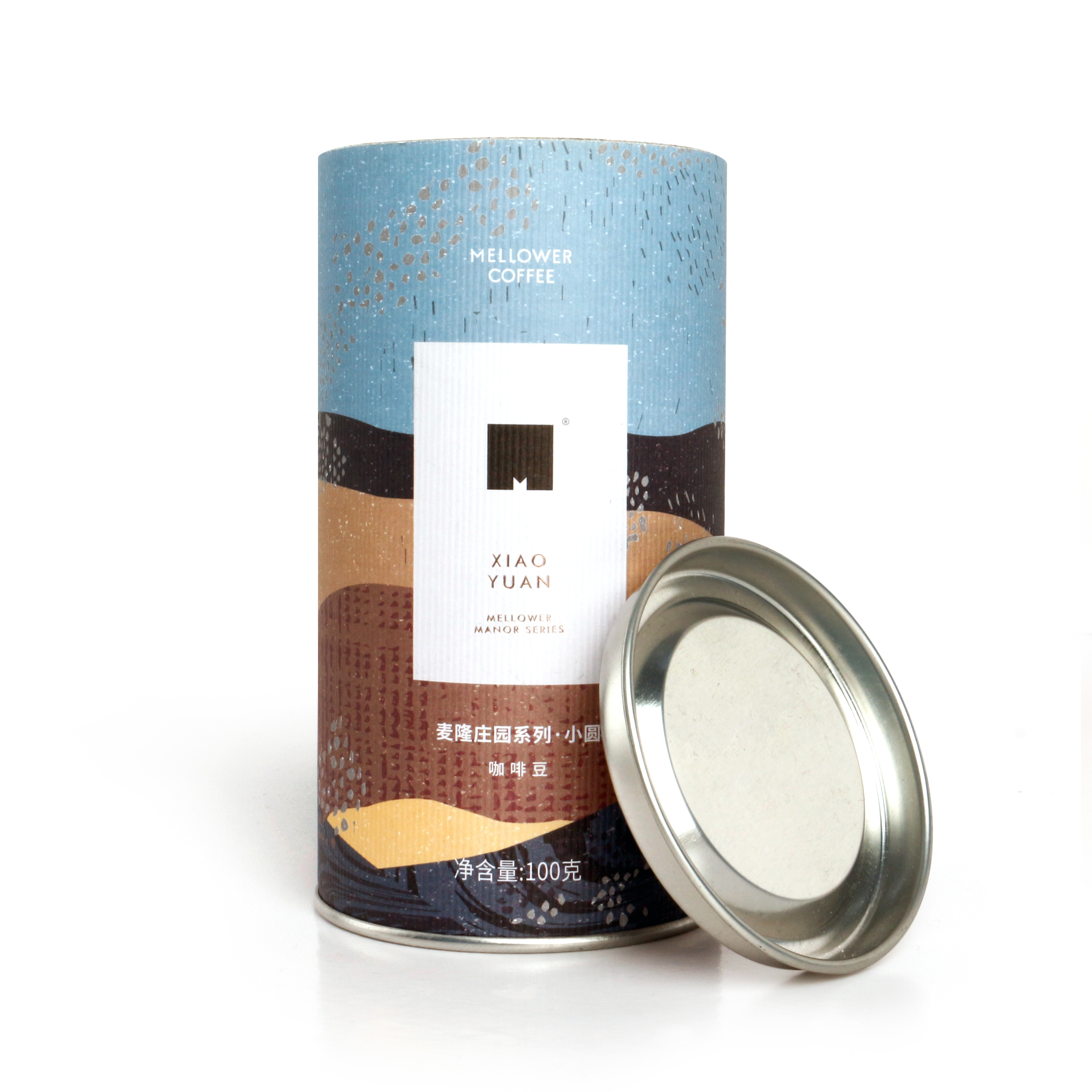
Closure systems. The closure is often the weakest point in a coffee package. Common options include plug-style lids, metal press-on ends, threaded closures, and child-resistant caps. For premium coffee, threaded closures provide excellent resealability after each use. For single-origin or gift-oriented products, metal press-fit lids create a clean, tactile opening experience.
| Freshness Feature | Function | Best For |
|---|---|---|
| Aluminum foil liner | Blocks oxygen and moisture | Whole bean, long shelf life |
| One-way degassing valve | Releases CO2 without letting air in | Freshly roasted beans |
| Threaded closure | Reseals tightly after each use | Daily-use ground coffee |
| Thick paper wall | Insulates and blocks light | Retail and e-commerce shipping |
| Compostable barrier film | Protects while remaining eco-friendly | Sustainability-focused brands |
Branding and Shelf Presence
Coffee shelves are visually crowded. To earn attention, packaging must communicate quickly and with personality. Custom paper tube packaging for coffee gives brands a distinct silhouette that breaks the horizontal line of pouches and bags typically found in the coffee aisle.
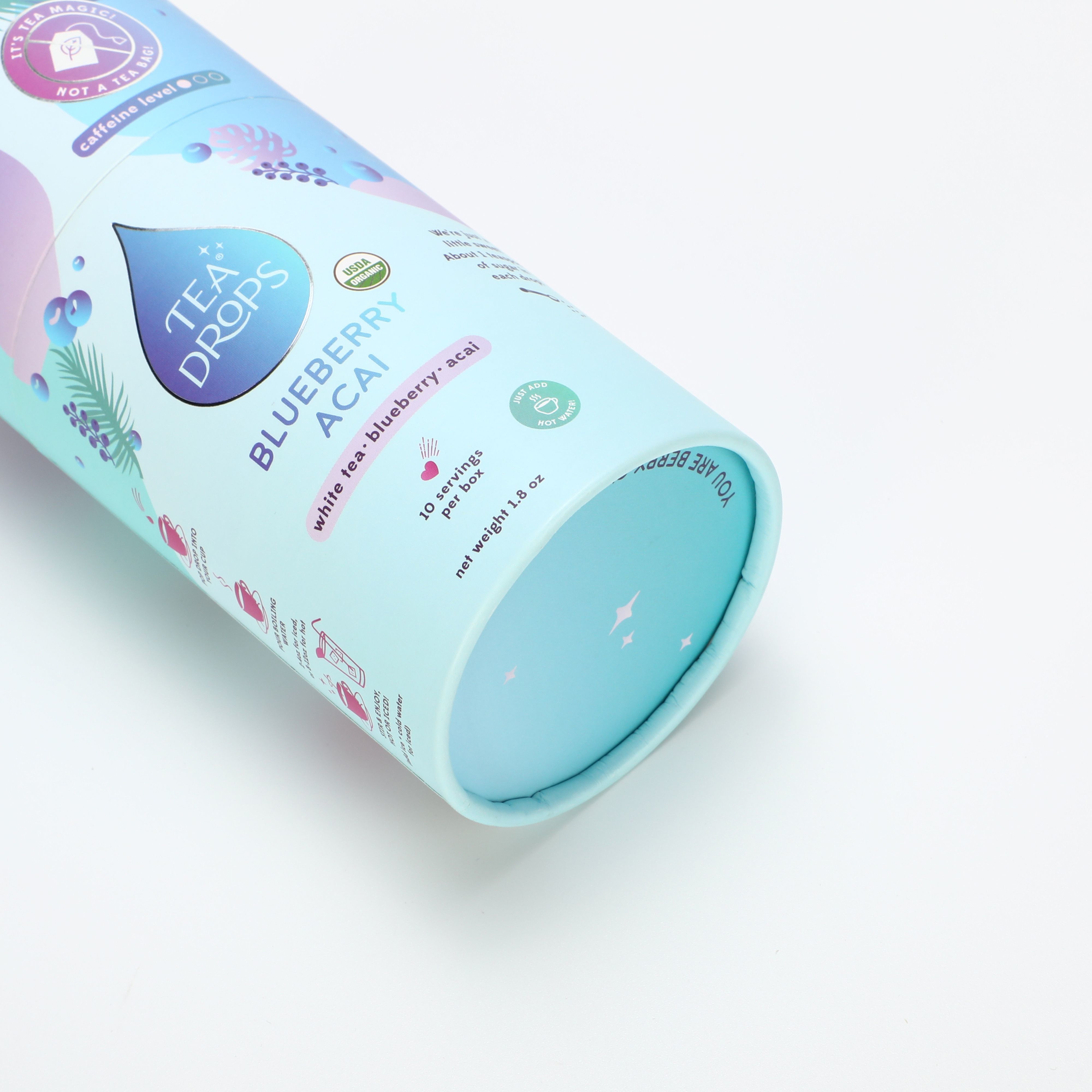
Print and decoration options. The outer wrap of a paper tube can be printed using offset lithography, achieving high-resolution graphics, subtle color gradients, and precise brand color matching. Beyond standard printing, brands can add hot foil stamping, embossing, debossing, spot UV, and matte or soft-touch lamination. These finishes elevate the perceived value of the product and support premium pricing without needing to say much.
Label and information design. The continuous surface of a tube allows for a clear visual hierarchy. The front panel carries the brand name and product type, while the sides and back can host origin story, tasting notes, roast date, brewing instructions, and certifications. This information is visible from multiple angles as the customer rotates the package, which increases engagement time and builds trust.
Shape as a brand signature. Some brands use the tube format itself as a signature element. The cylindrical shape becomes recognizable across product lines, making it easier for customers to identify the brand on a shelf even before reading the logo. This is a long-term brand asset that flexible packaging cannot replicate.
Sustainability and Consumer Expectations
Coffee consumers are among the most environmentally conscious buyers in the food and beverage sector. They notice packaging materials, recyclability claims, and whether a brand uses excessive plastic. Custom paper tube packaging for coffee aligns naturally with these expectations when designed with end-of-life in mind.
Recyclable materials. The paperboard and kraft layers that make up the tube body are derived from renewable wood pulp and are widely recyclable. Brands can increase the recycled content of the outer wrap and structural layers, often achieving 70-100% recycled paper in the kraft core. Choosing water-based or soy-based inks reduces the environmental impact of the printing process.
End-of-life trade-offs. The sustainability story becomes more complex when the tube includes metal ends, plastic closures, or foil liners. Metal ends are recyclable but require the consumer to separate them from the paper body. Plastic closures and some foil laminates may not be accepted in standard curbside recycling. For brands that want a fully recyclable or compostable package, mono-material paper closures and compostable barrier films are increasingly available, though they may have slightly different performance characteristics.
Transportation efficiency. Paper tubes are nestable and lightweight compared to glass jars or metal tins. They occupy less space during transit and reduce the carbon footprint associated with shipping both empty packaging to the filler and finished goods to the consumer. This efficiency adds a practical sustainability benefit that is often overlooked in favor of material choices alone.
Types of Coffee Paper Tube Packaging
Not all paper tubes are built the same way. Different construction styles suit different coffee products and brand positions.
| Tube Style | Construction | Best For |
|---|---|---|
| Spiral-wound tube with plug lid | Standard paper tube with friction-fit cap | Ground coffee, retail shelves |
| Telescopic two-piece tube | Base tube with sliding outer sleeve | Premium gifts, variety packs |
| Threaded metal cap tube | Tube with screw-on tin or aluminum lid | Whole beans, resealable freshness |
| Window-cut tube | Tube with die-cut window and film panel | Showcasing bean color or grind |
| Child-resistant tube | Specialized closure requiring push-and-turn | Coffee-infused wellness products |
Customization Options for Coffee Tubes
Custom paper tube packaging for coffee can be tailored across nearly every dimension. The most common customization decisions are summarized below.
| Element | Options | Impact |
|---|---|---|
| Diameter | 50mm to 150mm | Determines capacity and hand feel |
| Height | 80mm to 350mm | Matches product weight and shelf space |
| Wall thickness | 1.5mm to 4.0mm | Affects durability and insulation |
| Outer wrap | Kraft, white paper, specialty textured stock | Sets visual tone and print quality |
| Inner liner | Foil, PE, greaseproof, compostable film | Controls freshness and sustainability claims |
| Closure | Plug, metal press, threaded, child-resistant | Influences resealability and opening ritual |
| Print finishes | Foil, embossing, spot UV, matte lamination | Creates premium tactile and visual cues |
Sizing and Capacity Guide
Choosing the right tube size depends on product density, target weight, and how the product will be displayed. Coffee beans are denser than ground coffee, so a given volume holds more weight in whole bean form than in ground form. The table below provides general guidance for common commercial sizes.
| Tube Diameter x Height | Approximate Ground Coffee Capacity | Approximate Whole Bean Capacity | Common Use |
|---|---|---|---|
| 65mm x 120mm | 100g | 120g | Single-origin samples, gift sizes |
| 75mm x 180mm | 250g | 300g | Standard retail bag size |
| 90mm x 220mm | 500g | 600g | Family size, subscription boxes |
| 100mm x 260mm | 1kg | 1.2kg | Café and wholesale formats |
These figures are approximate. Actual capacity depends on roast level, grind size, and bean density. A lighter roast produces denser beans than a dark roast, so packaging decisions should always be confirmed with a sample fill test before mass production.
Design Best Practices for Coffee Tubes
A well-designed coffee tube balances aesthetics with practical performance. Consider the following guidelines when developing your custom packaging.
Reserve the lid for impact. The top of the tube is the surface most often seen first when the product sits on a shelf or counter. Many successful brands print the logo, brand name, or an icon on the lid so that it is visible from above. This also helps customers identify the product when it is stored in a pantry or drawer.
Use the full circumference. Unlike rectangular boxes, tubes have no corner panels or seam edges interrupting the design. Treat the wrapper as a single continuous panel, but plan the design so that key information remains readable from the front angle at retail. The sides can carry secondary content like origin maps, farmer stories, or brewing instructions.
Communicate roast and origin clearly. Coffee buyers look for specific information: roast date, roast level, origin, varietal, processing method, and tasting notes. Make this information easy to find. Use typography hierarchy so that the most important details stand out from decorative elements.
Match finish to positioning. A matte kraft finish with black foil stamping communicates craft and natural values. A glossy full-color wrap with embossed details communicates premium specialty. A minimal white tube with one accent color communicates modern simplicity. The finishing choices should reinforce the brand message rather than compete with it.
Test for shipping. Before committing to a final design, run ship tests. Seal the tube, place it in a standard shipping box, and send it through your typical carrier network. Check whether the lid stays on, whether the tube dented or crushed, and whether the print surface showed scuffs. This step is essential for e-commerce-focused coffee brands.
Frequently Asked Questions
How long does coffee stay fresh in a paper tube?
With an aluminum foil liner and a tight-fitting closure, roasted coffee can remain fresh for six to twelve months depending on the liner quality and storage conditions. For maximum freshness, one-way degassing valves should be added when packaging whole beans within days of roasting.
Can paper tubes be used for coffee subscription boxes?
Yes. Their cylindrical shape withstands shipping well, and they create a memorable unboxing experience. The reusable nature of the tube also extends brand presence in the customer's home between subscription cycles.
Are paper tubes suitable for instant coffee or coffee pods?
Paper tubes can be designed for single-serve products using smaller diameters and compartmentalized inserts. For coffee pods, a tube with a re-closable lid can hold individual pods protected from moisture and odors.
What is the minimum order quantity for custom coffee tubes?
Minimum order quantities vary based on tube diameter, print complexity, and closure type. For standard sizes with custom printed wraps, typical MOQs start in the range of 1,000 to 3,000 units. Fully custom closures or specialty materials may require higher volumes.
Can the tube body be made from 100% recycled paper?
The kraft core and structural layers can be made from high recycled content. The outer printed wrap may use a mix of recycled and virgin fiber depending on the print quality required. FSC-certified and recycled-content papers are widely available for brands seeking verified sustainability credentials.
Ready to Package Your Coffee in Custom Paper Tubes?
From single-origin retail sizes to premium gift formats, we help coffee brands design custom paper tube packaging that protects freshness, tells a story, and stands out at every touchpoint.